China AI study trip
An account of a journey through Shenzhen, Chongqing, Chengdu and Shanghai.
I have just returned from my AI study trip to China. My first study trip was in 1986, when I was the junior member of a team that was going to set up the first Philips joint venture in Huizhou.
Back then, I travelled alongside Chinese passengers in blue uniforms on a train pulled by a steam locomotive. You could choose between ‘hard seats’ and ‘soft seats’, and with the latter you received a cup of tea from a samovar.
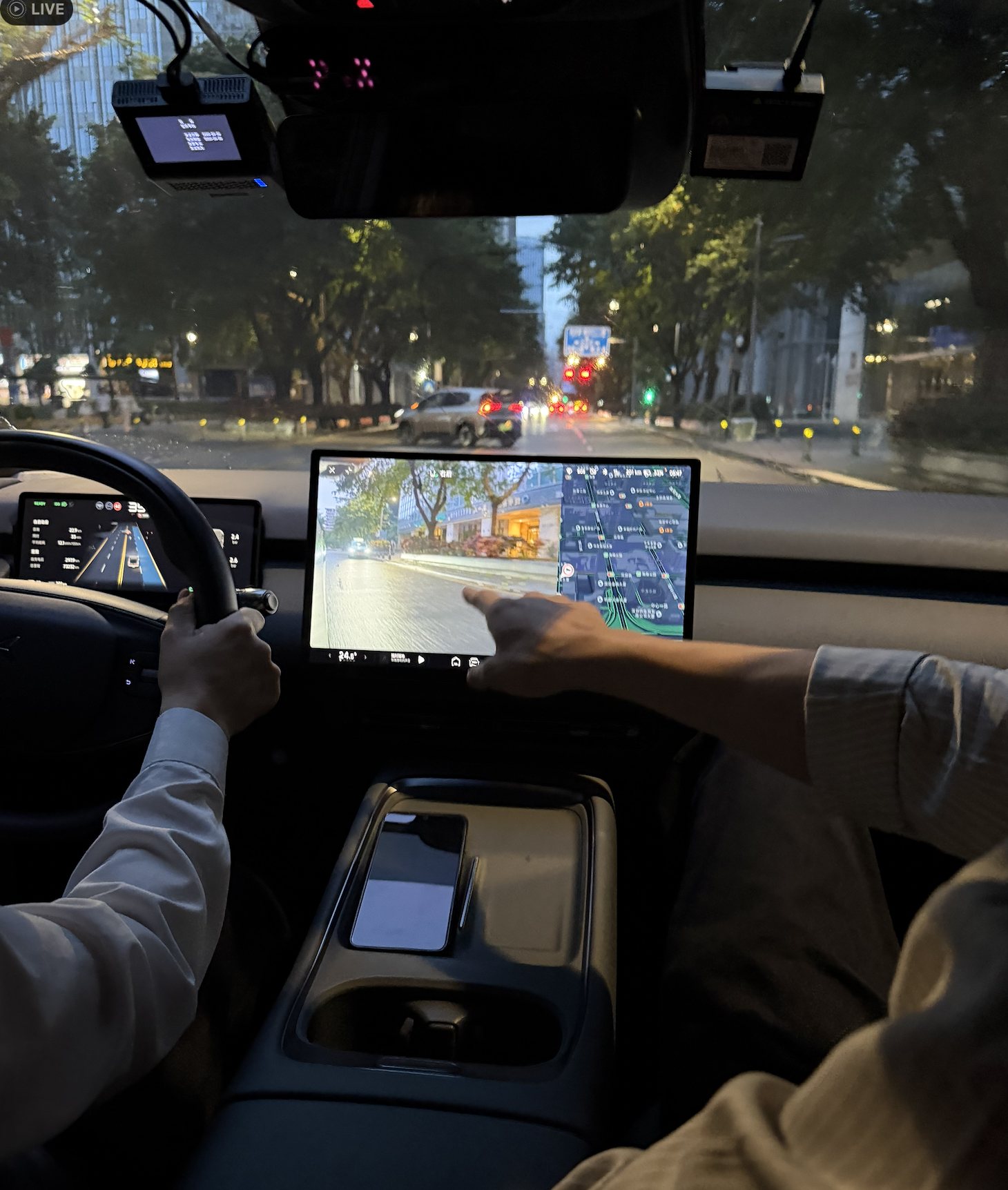
Now we travel from Shenzhen to Chongqing in western China (9 million inhabitants) in 6 hours by bullet train. The tickets are linked to my passport, and every customs and boarding gate opens for me through a biometric facial scanner. Apparently, it was linked to my ID in Shenzhen. You order Tesla-like taxis through DiDi, and they arrive within 2 minutes. During the ride, I speak live with the driver through a DeepSeek AI app integrated into the dashboard. In English, although I could have spoken Dutch as well. So we simply have a conversation. In Alipay, you can indicate before the ride whether you want a camera in the car to be activated (for your safety).
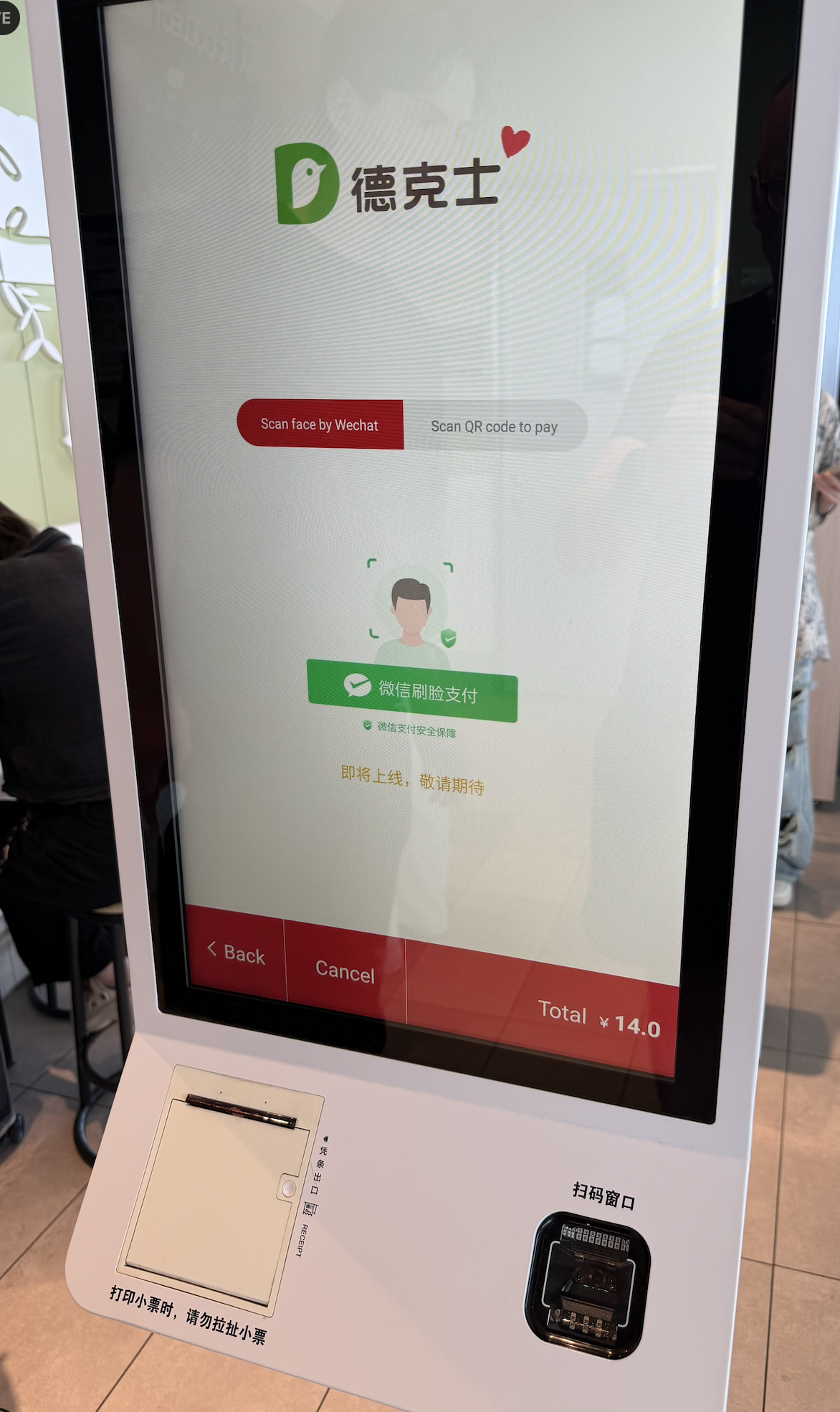
You could compare Alipay and WeChat to the Dutch Tikkie system for sending payment requests, but not as an extra alongside your bank account. They are your bank account and debit card. You use them on your phone for everything throughout the trip, from taxis and restaurants to the local supermarket. Credit cards are hardly accepted anymore, and the use of cash has fallen sharply (I did not use it).
The hotel Wi-Fi is censored and blocks OpenAI, Anthropic, LinkedIn and, annoyingly, my Google authentication as well. That is inconvenient because I have to reinstall many of my own apps. Google Maps does not work very well and has been replaced by the local Amap app, which is actually much more fun. DeepSeek has now become my 'favourite language model'. Incidentally, it refuses to say who Mao is or which Chinese leader was the intellectual father of the economic transformation.
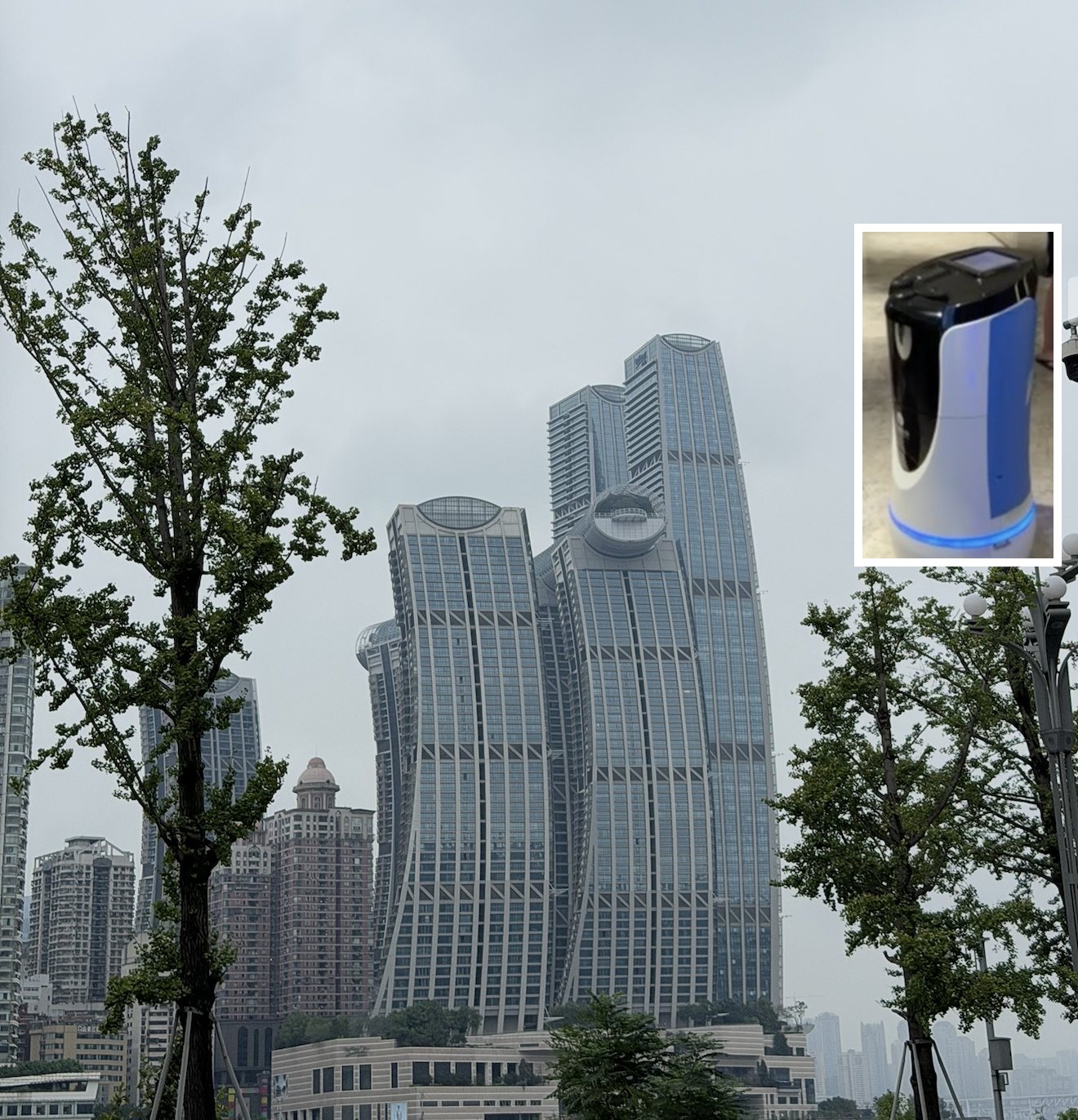
You order room service through the QR code in your room, again using WeChat, and it is delivered by a robot that no one gives a second glance.
By now, I have arranged broader access to AI and the internet through a Singaporean eSIM provider. In principle, any local Chinese person could do the same, since I paid with Alipay. In practice, however, many iPhones sold for the Chinese market do not support eSIM.
From Chongqing, it is about 1 hour by high-speed train to Chengdu, then on to Shanghai, where a Siemens-built maglev takes you to central Shanghai at 300 km/h in 8 minutes. Its 600 km/h successor, built with domestic technology, is expected in 5 years.
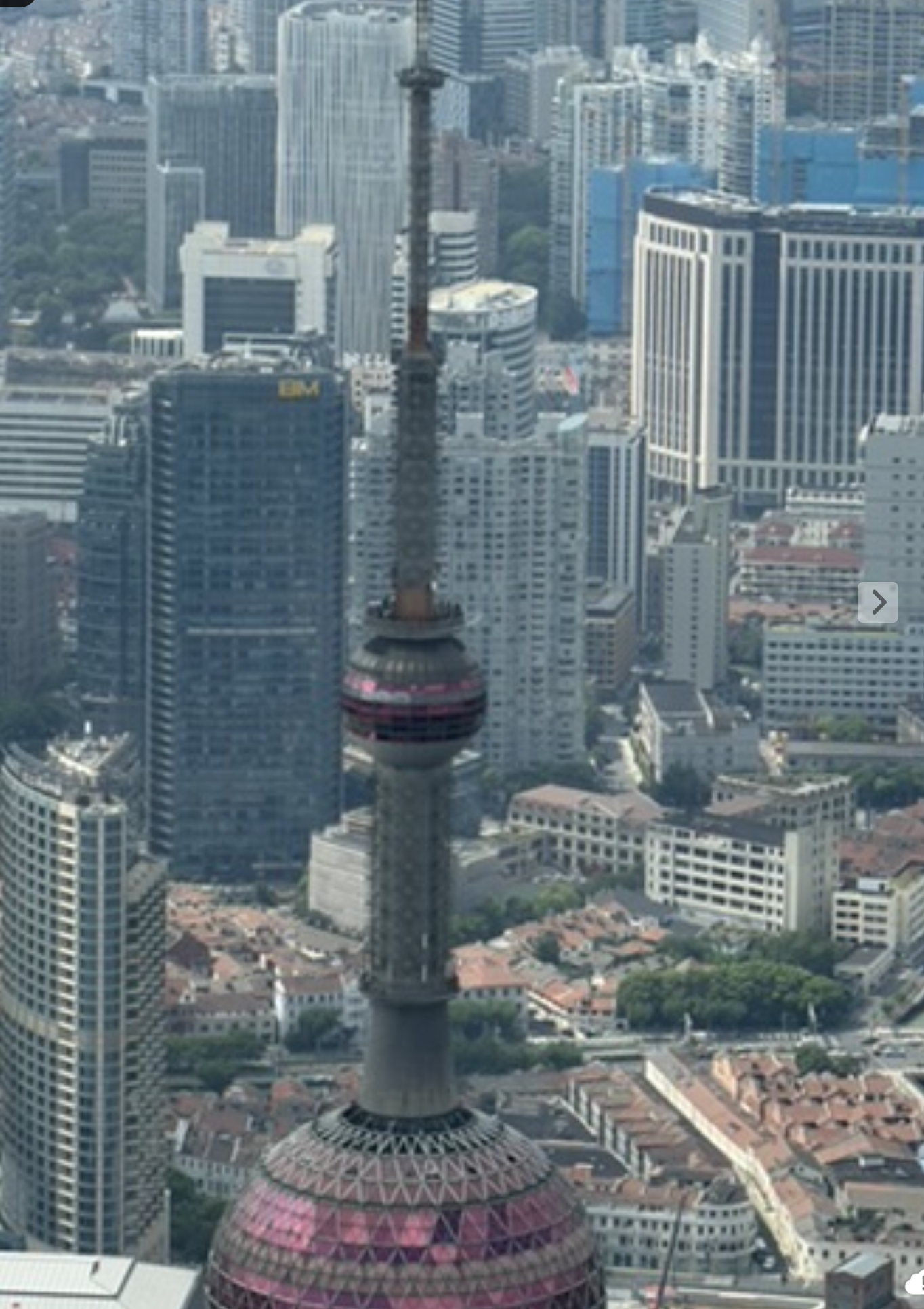
The first thing you notice in Shanghai is that there is hardly any noise or air pollution anymore. Electric cars and scooters glide silently through the streets. A diesel bus is the exception rather than the rule.
One of the few things I have not seen change in 40 years is the people with megaphones noisily directing crowds, along with the bright lights and noise in restaurants.
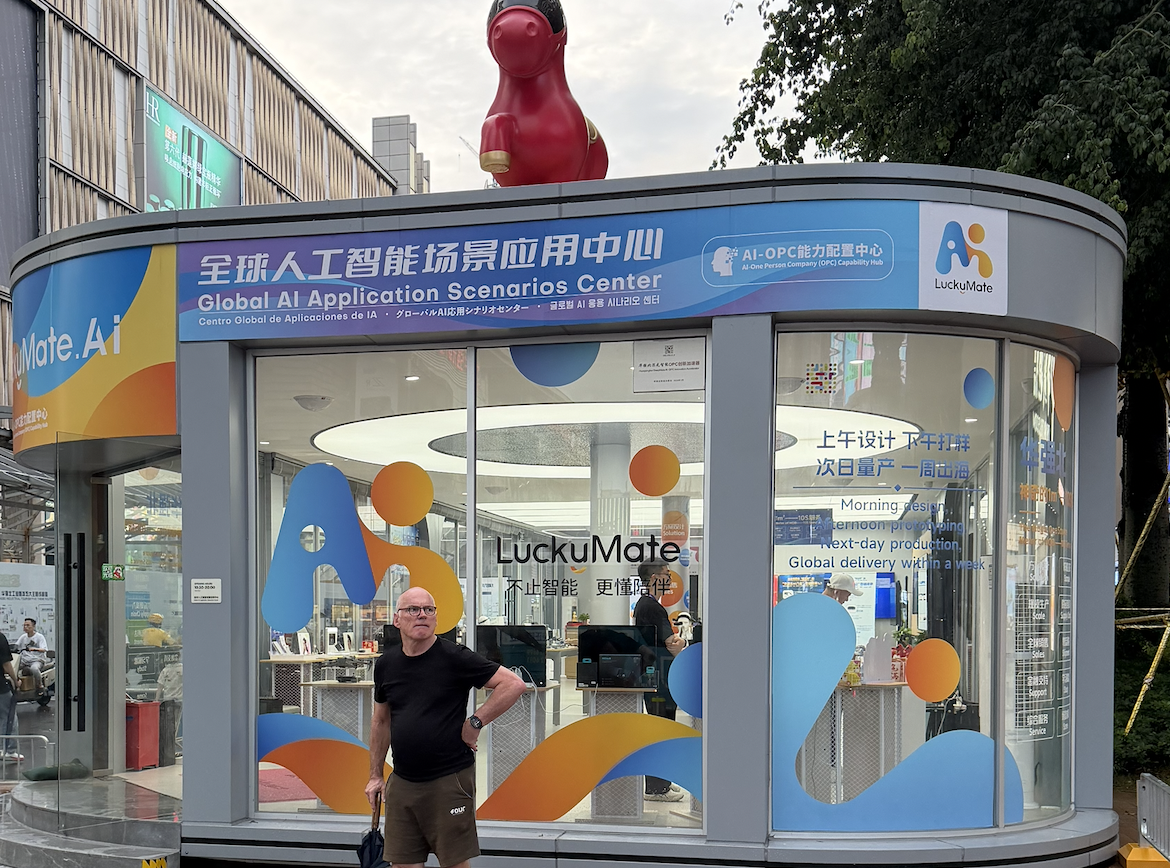
When Chinese people speak to you through a pocket translator, social interaction becomes difficult. The live interaction with the taxi driver through AI was a pleasant experience because it preserved the social element.
For the average visitor, I estimate that China is 4 to 5 times cheaper than the Netherlands. The yuan therefore appears undervalued.
After Google DeepMind's victory over Go world champion Lee Sedol in 2016, the Chinese government made a massive commitment to AI. For China, this was a Sputnik moment. You can now see that reflected throughout society, and robotics and AI applications are also needed to offset the ageing population.
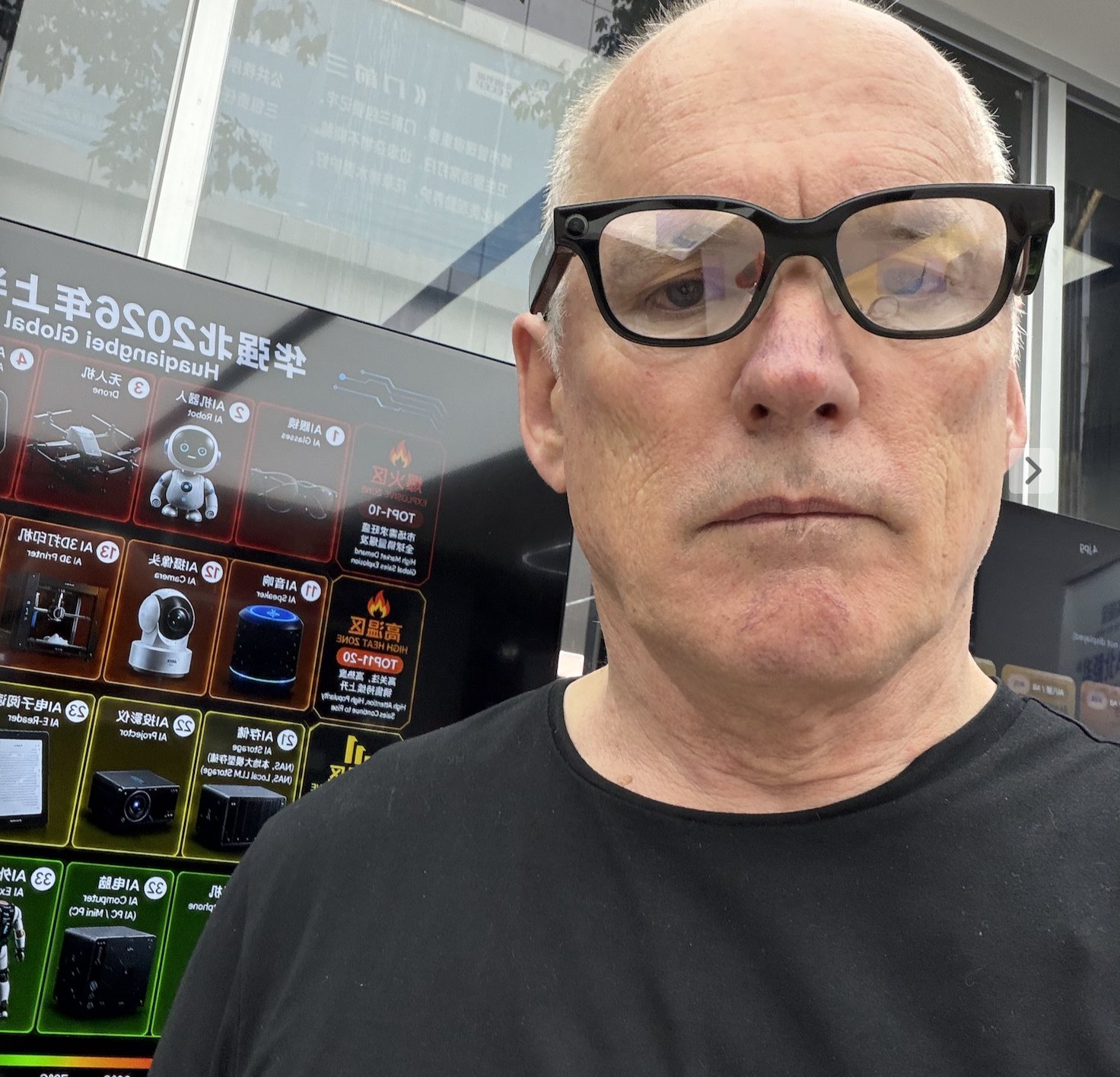
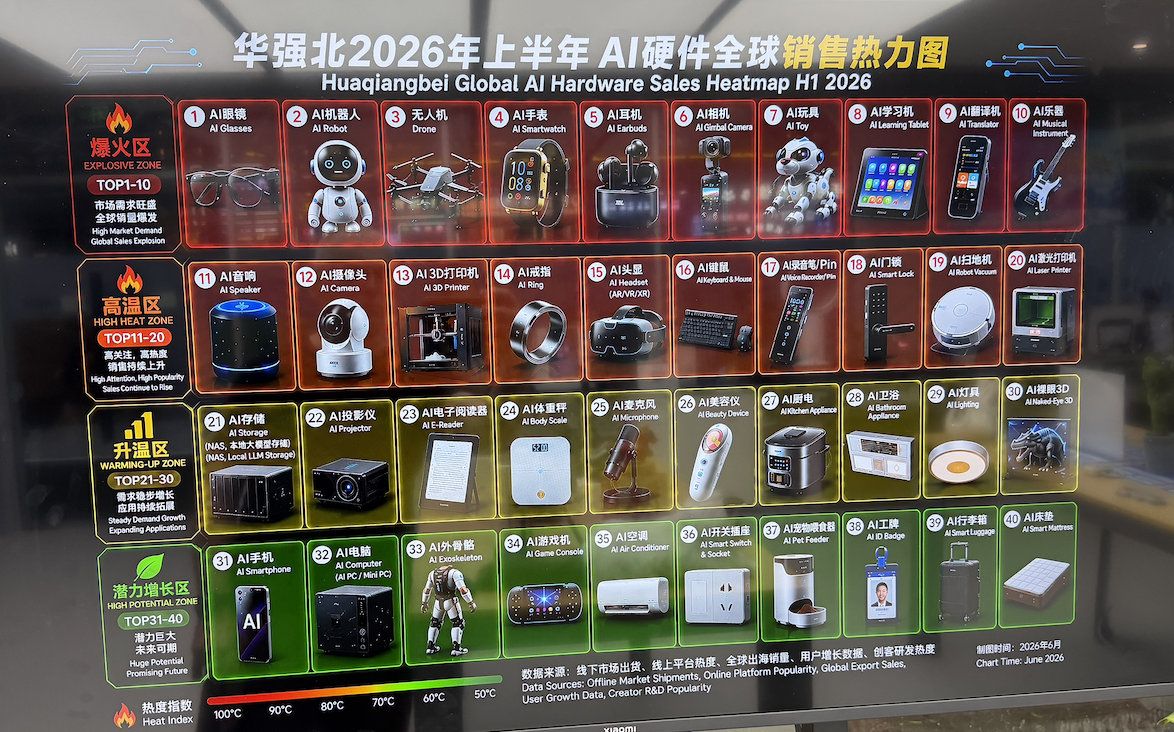
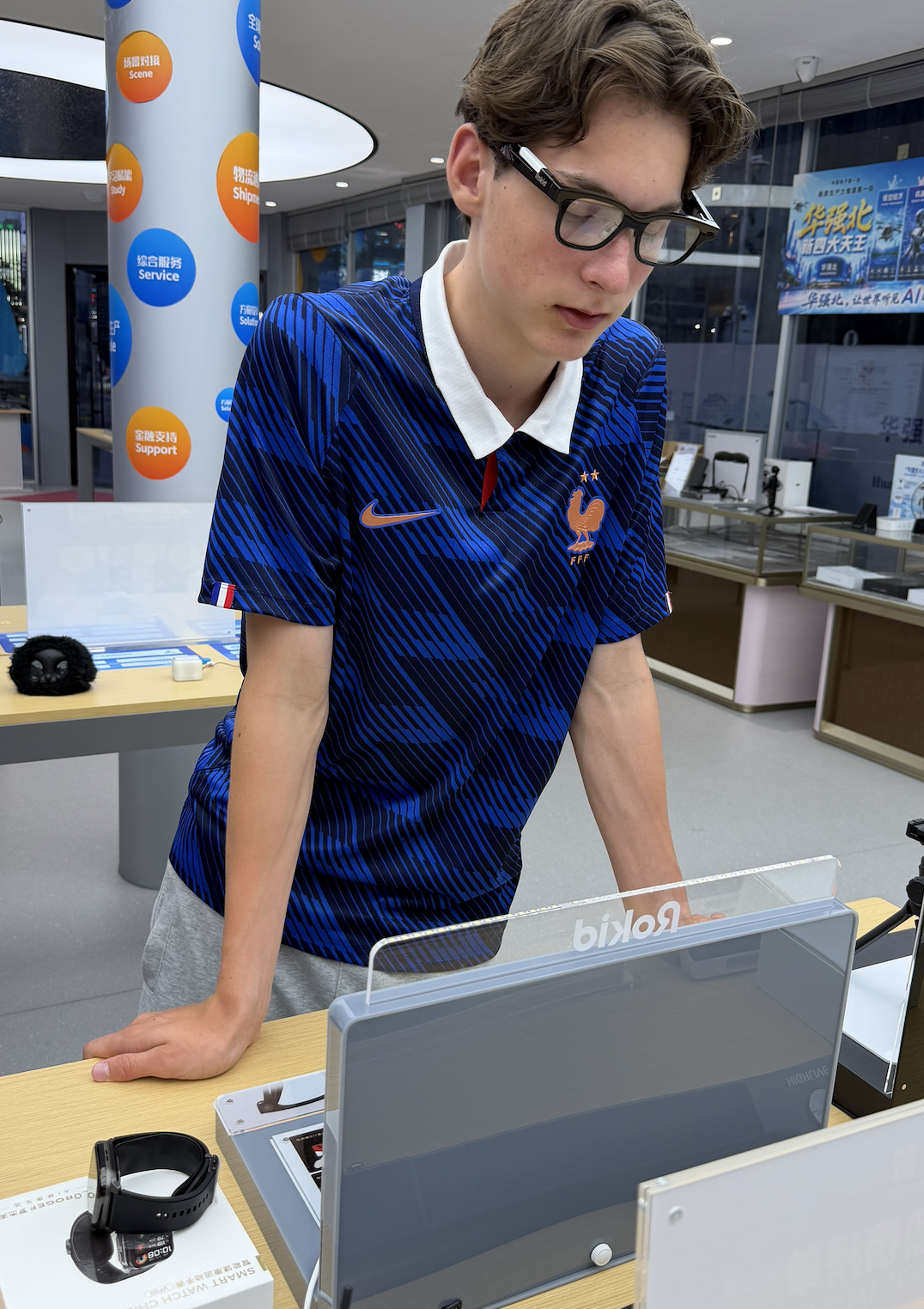
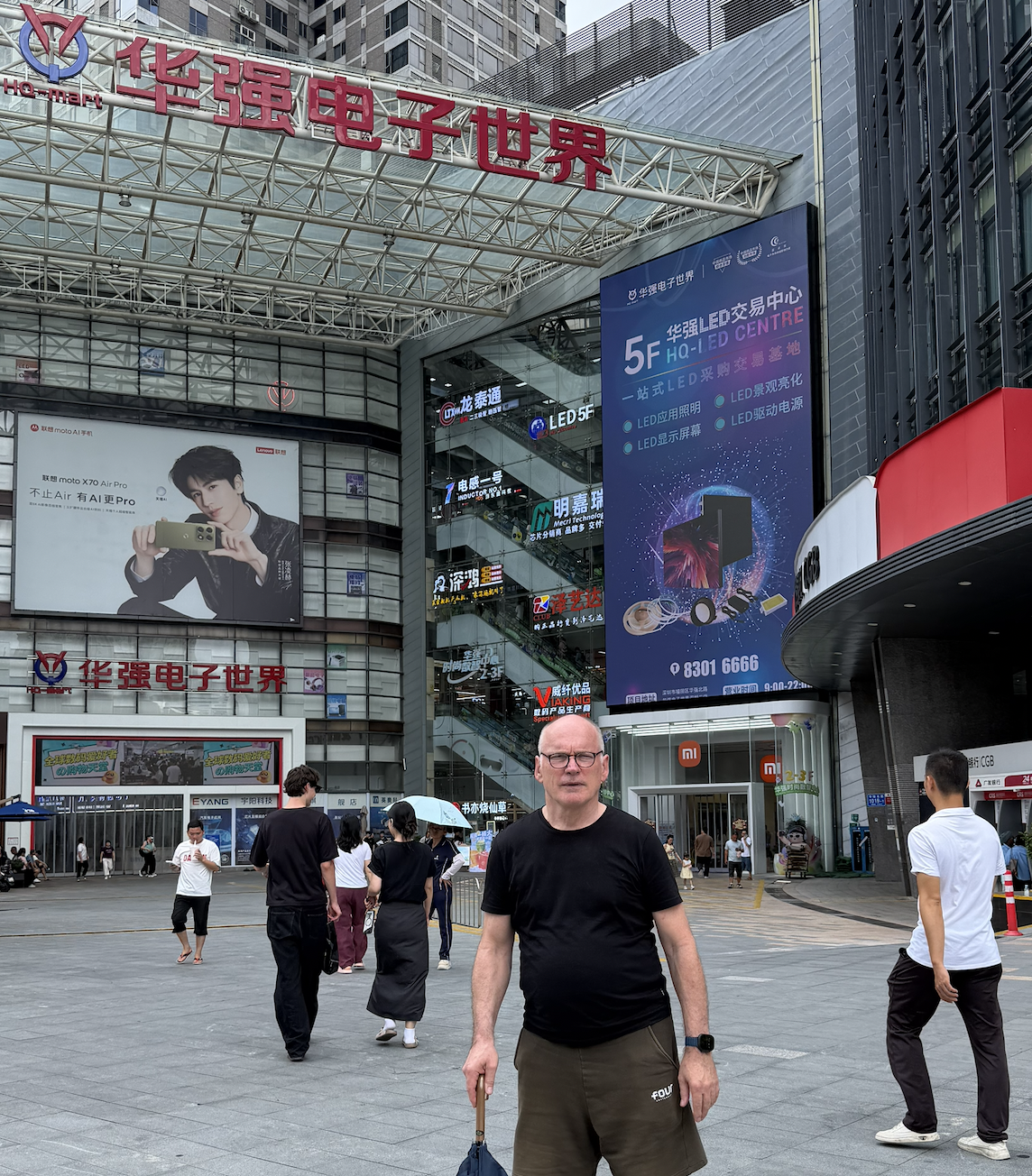
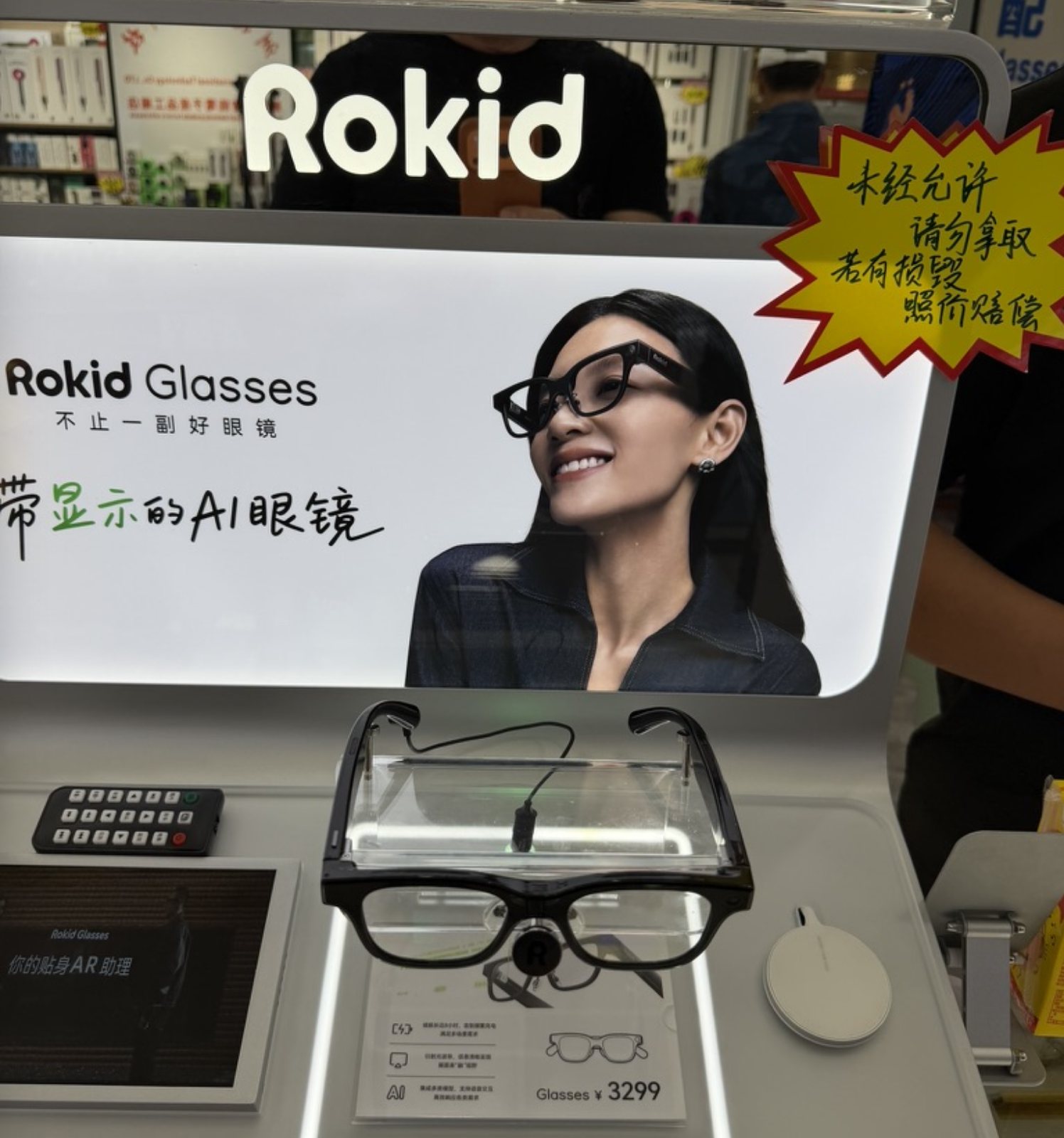
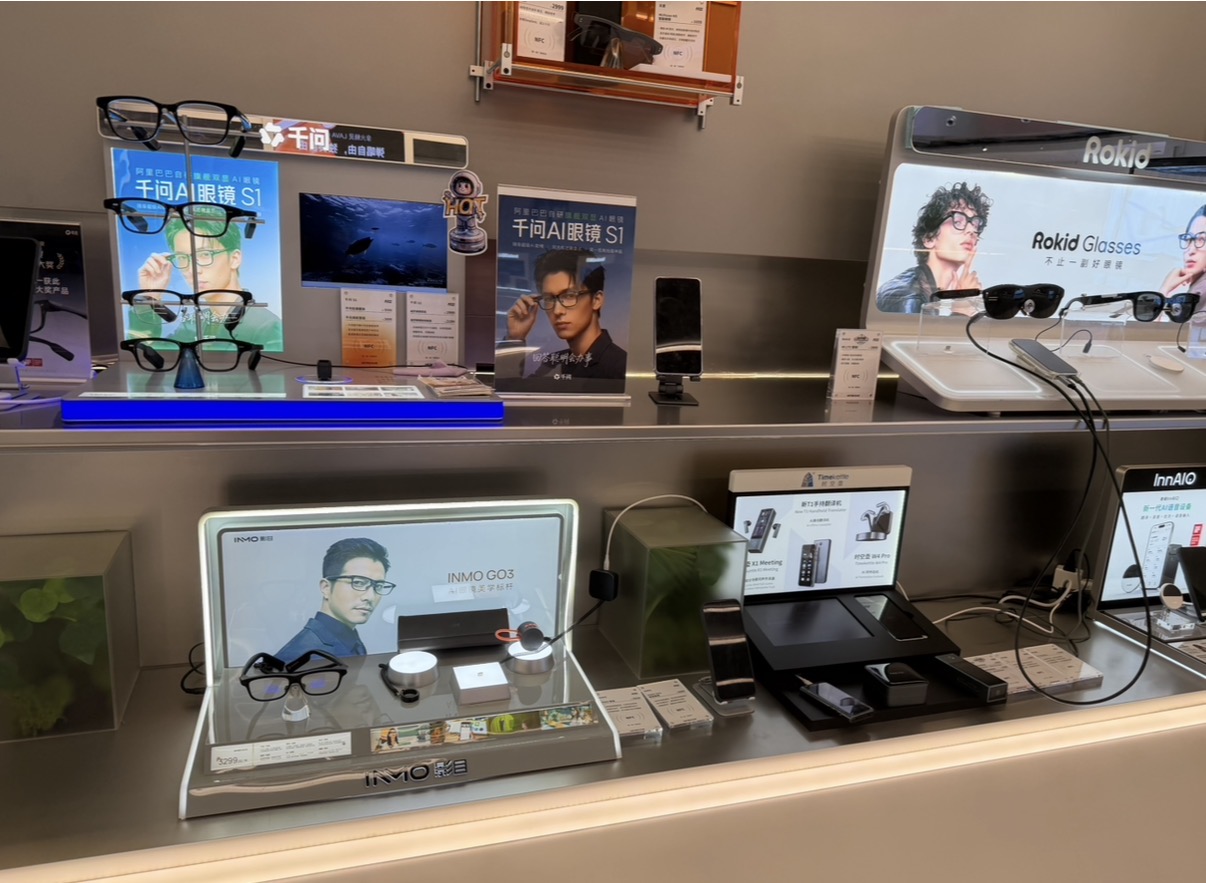
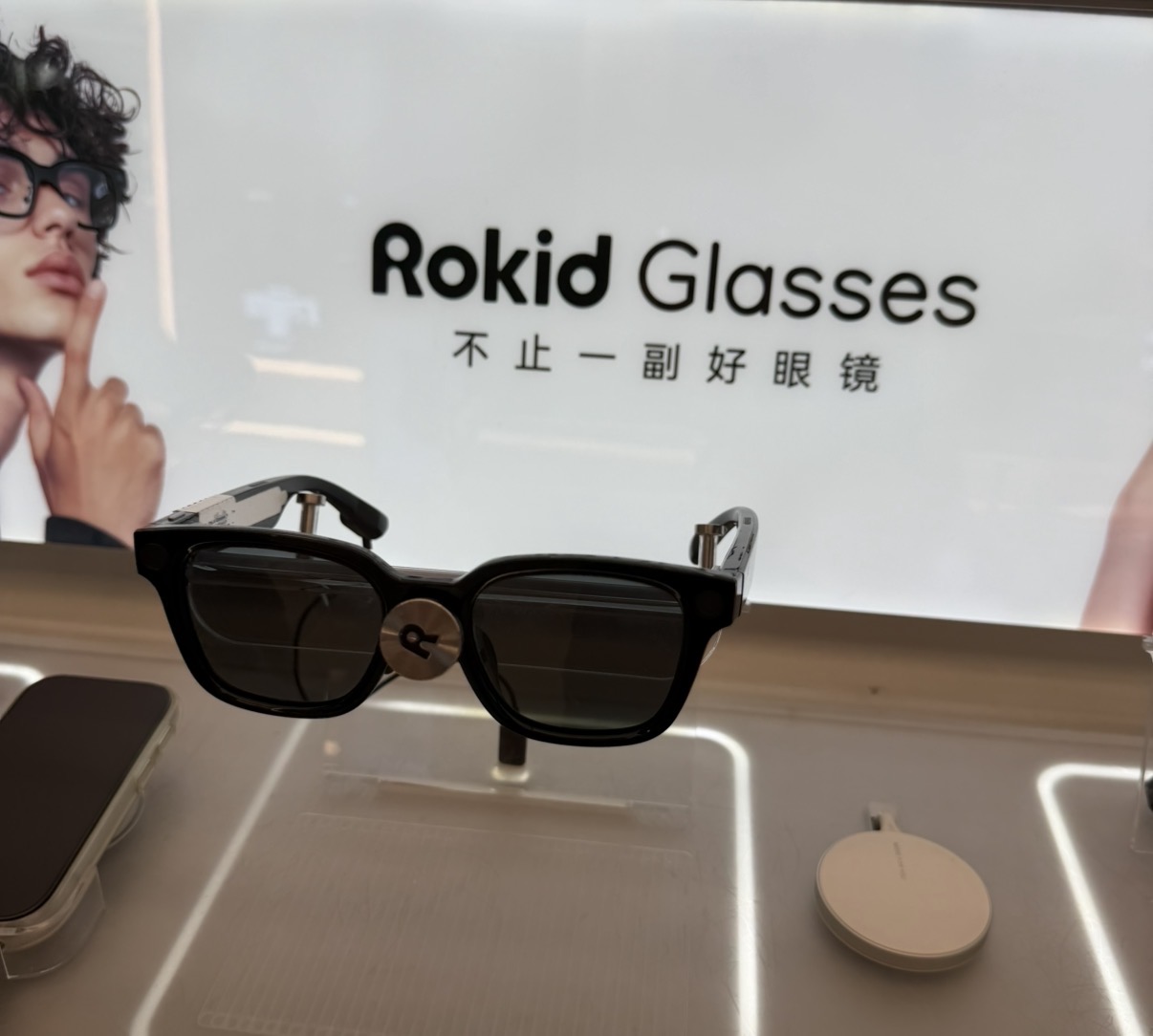
At Huaqiangbei in Shenzhen, the world's largest electronics market, the top three sellers were AI glasses for music, speech, video and photos (I couldn’t resist, so I bought a pair for €60), along with AI-powered drones and AI robots. The bestselling glasses, incidentally, are the €400 Rokid model, which displays messages directly on the lenses for you to read, although that does not seem particularly good for your eyes to me. Google will soon launch one too.
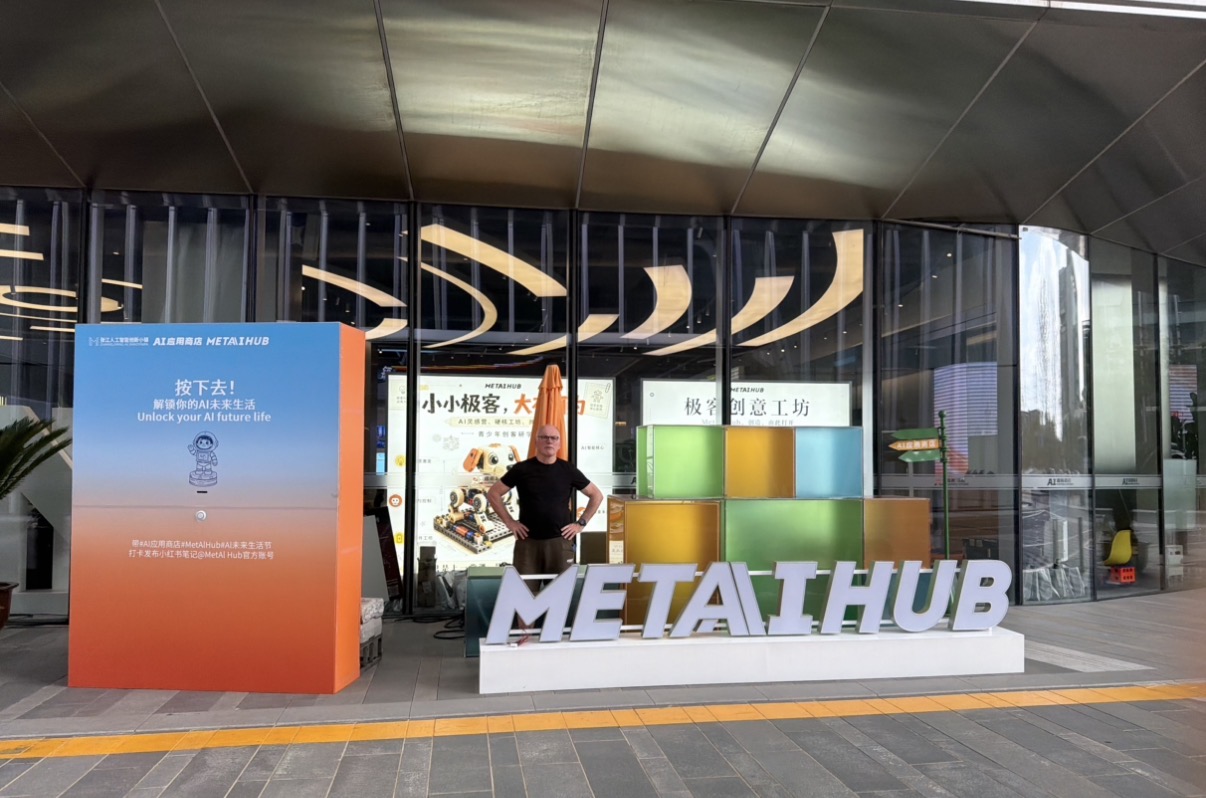
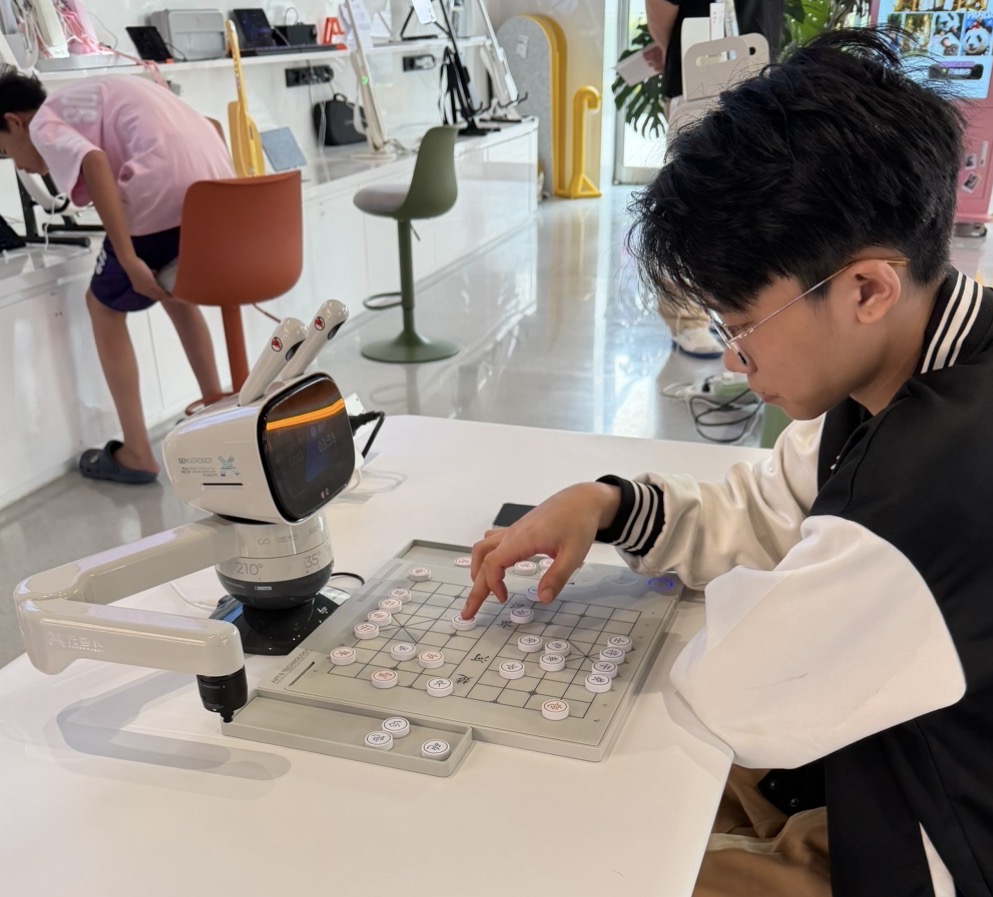
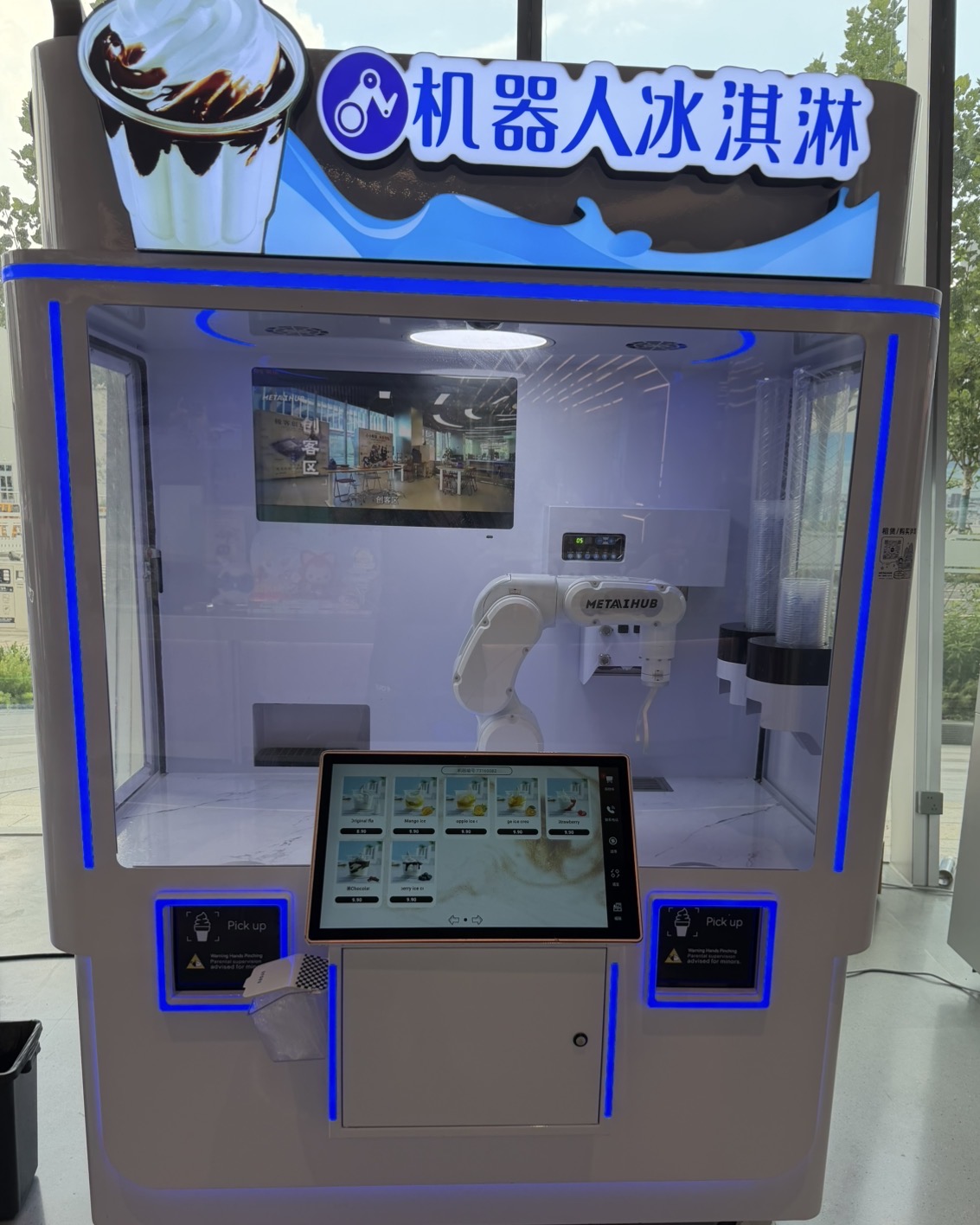
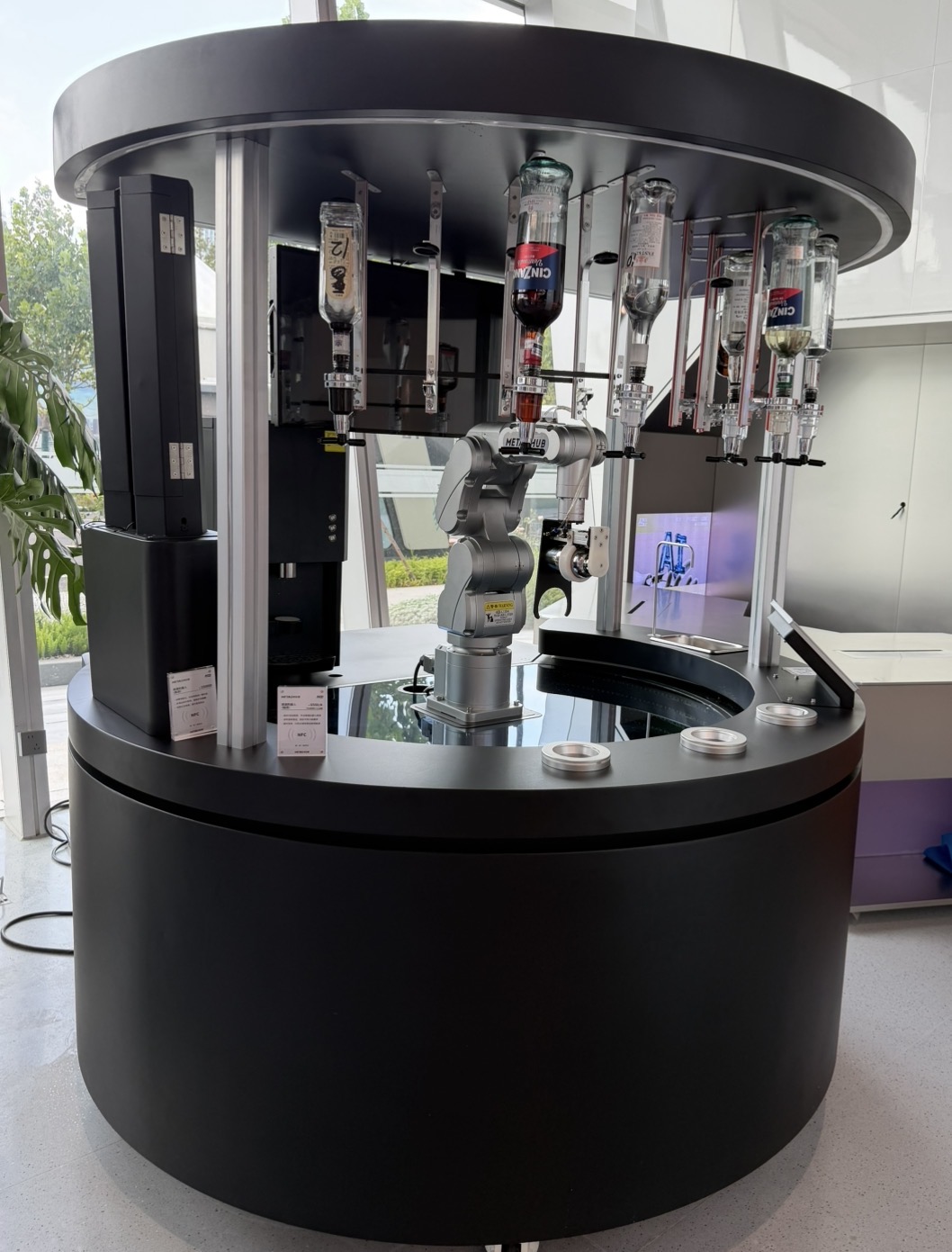
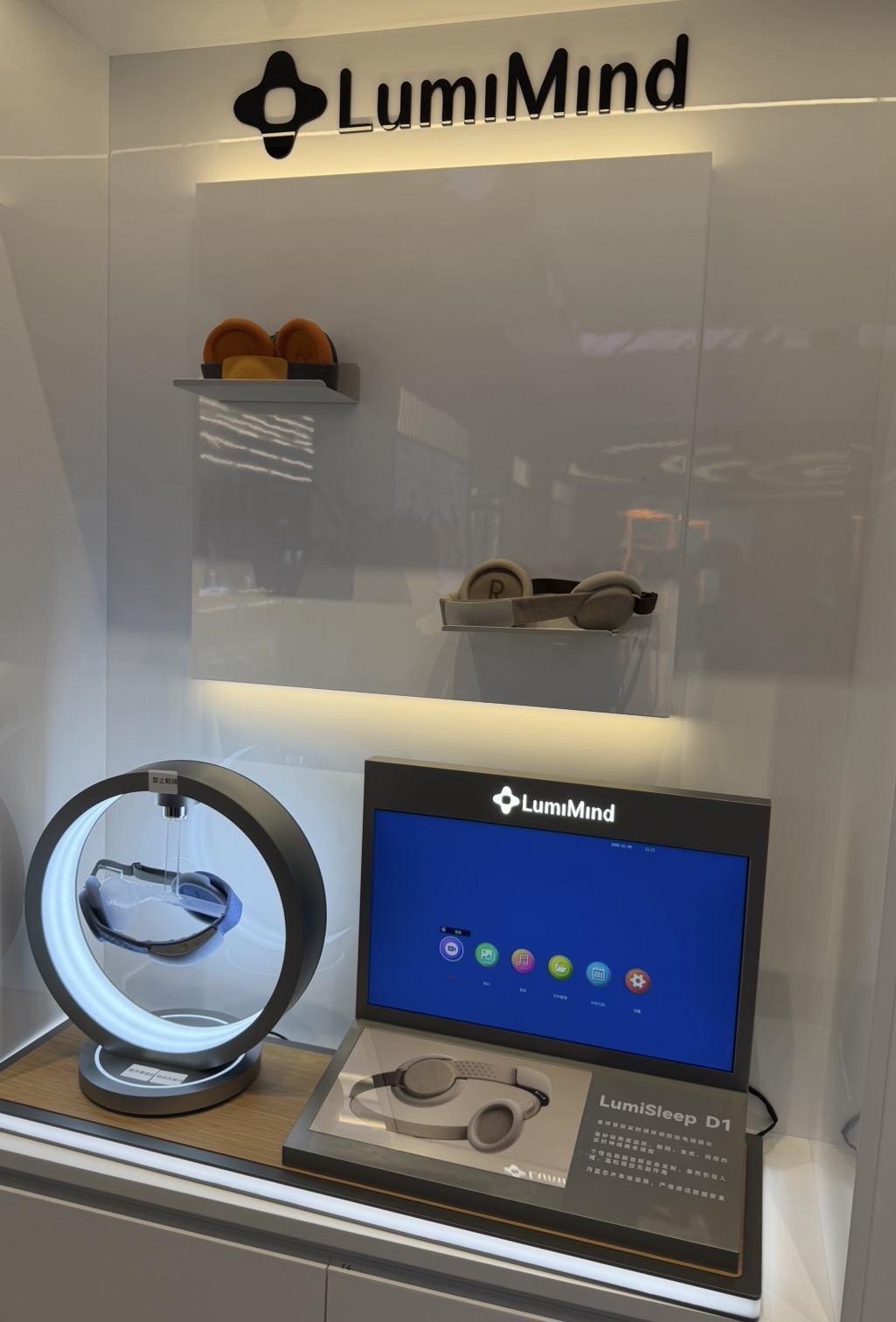
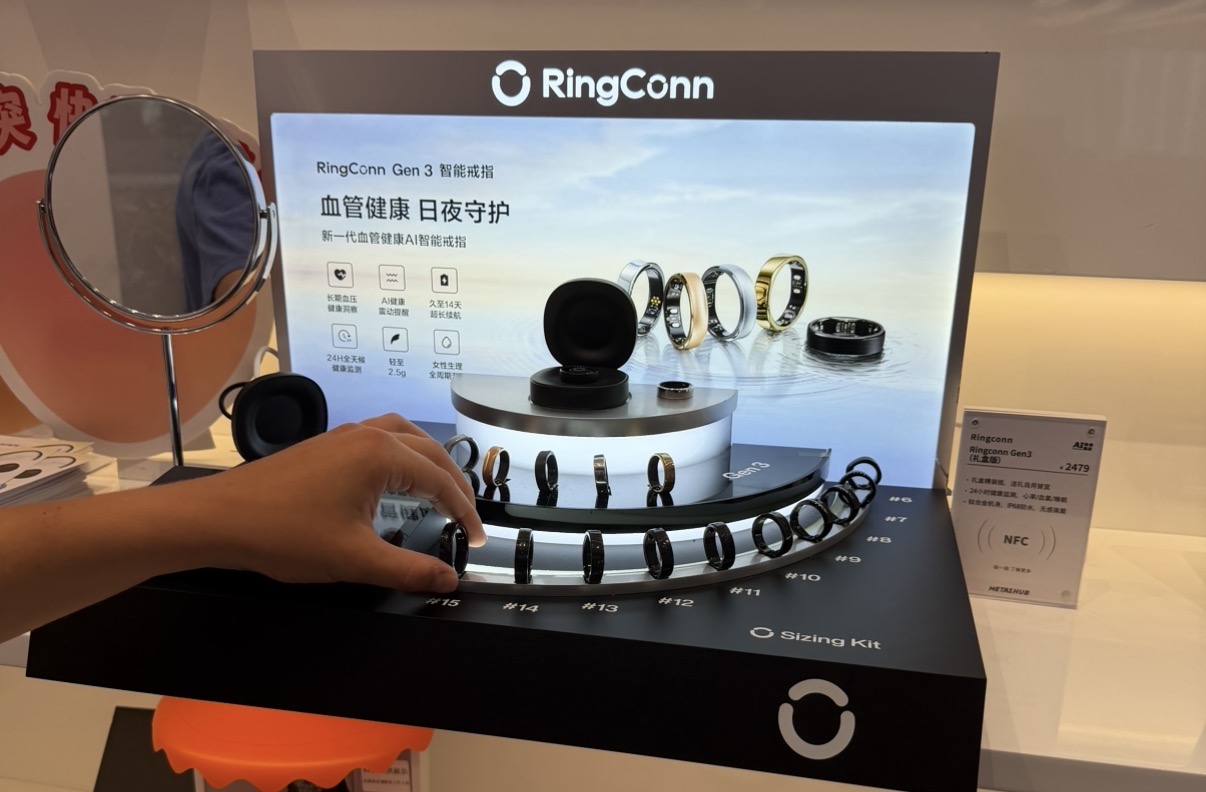
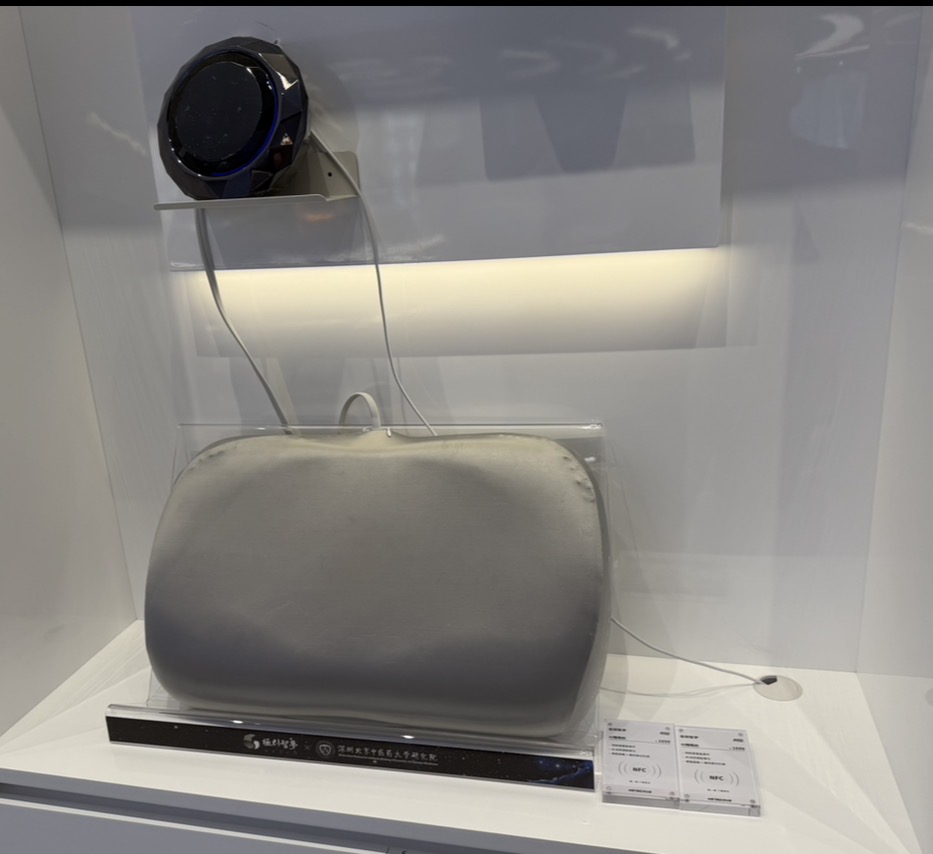
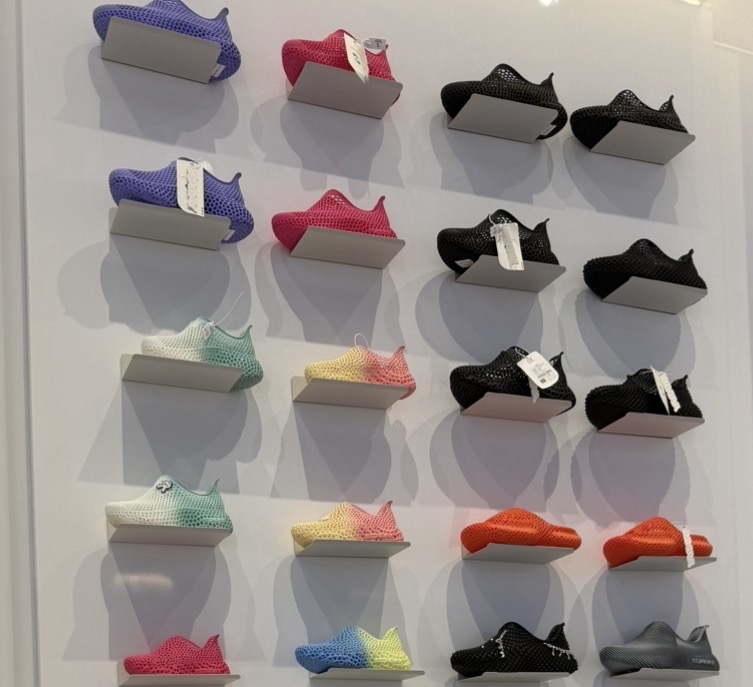
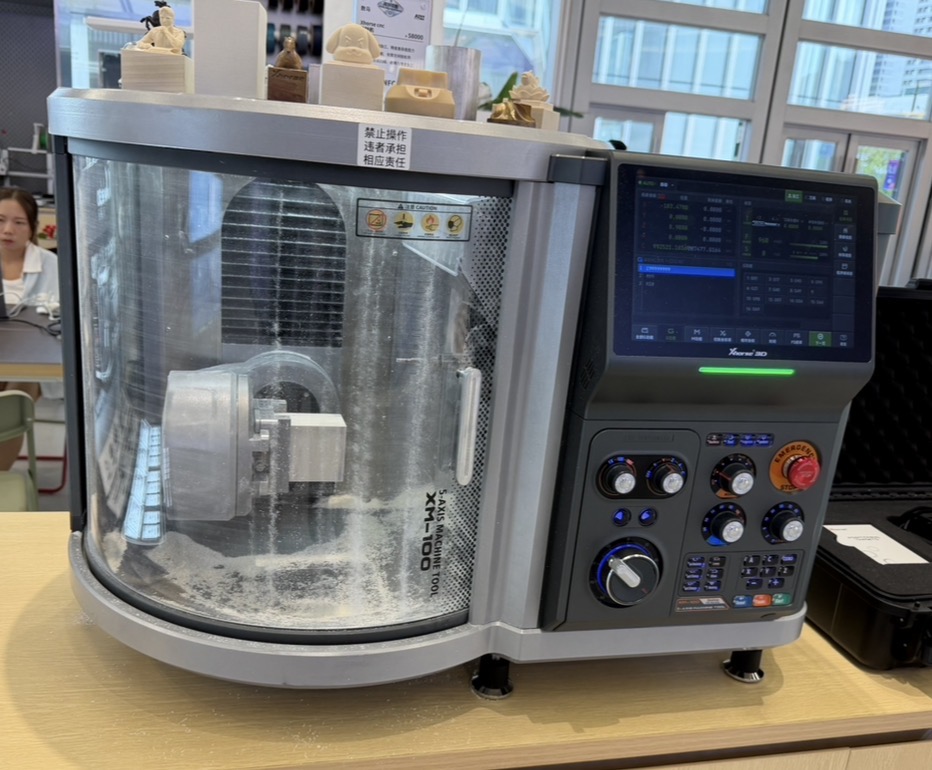
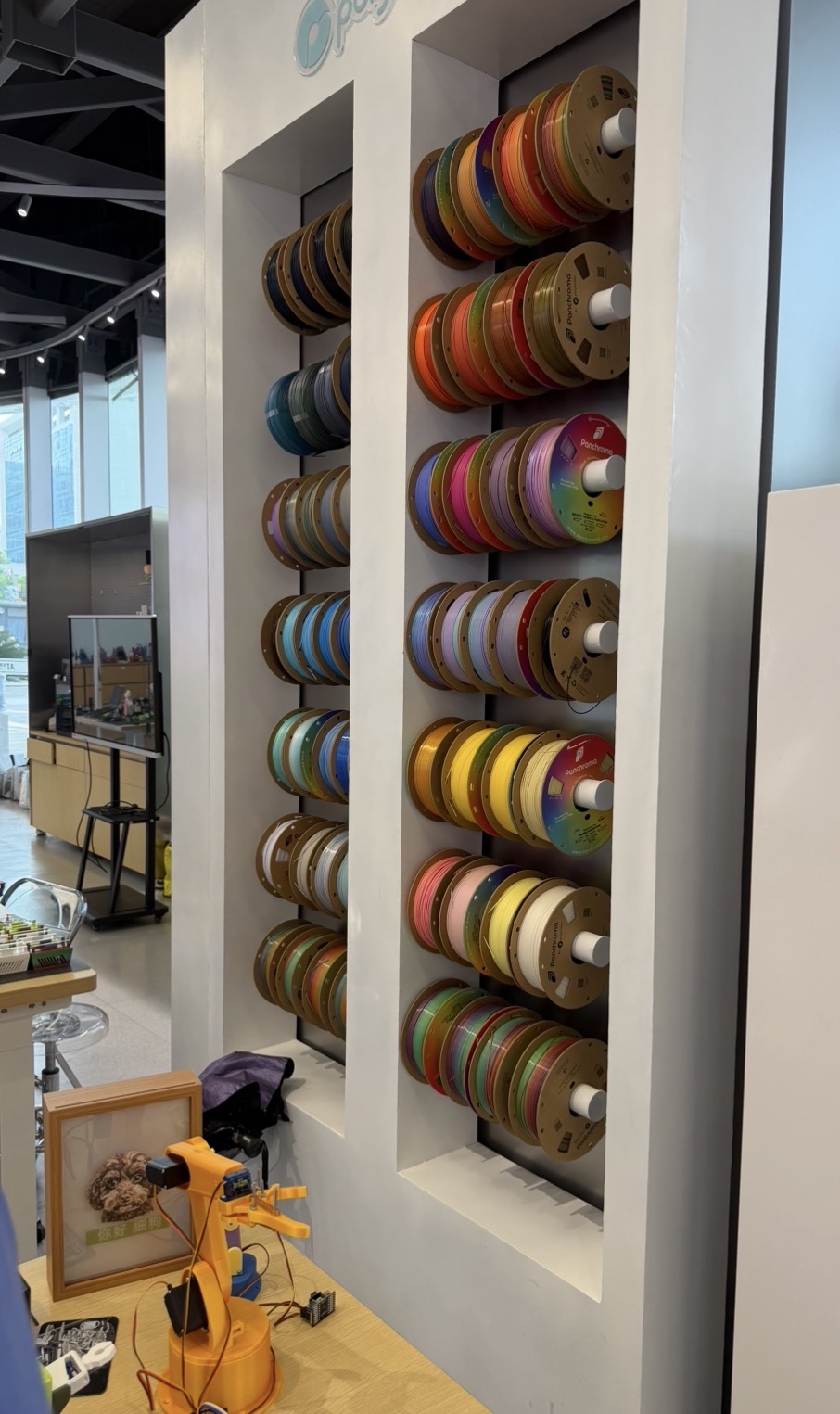
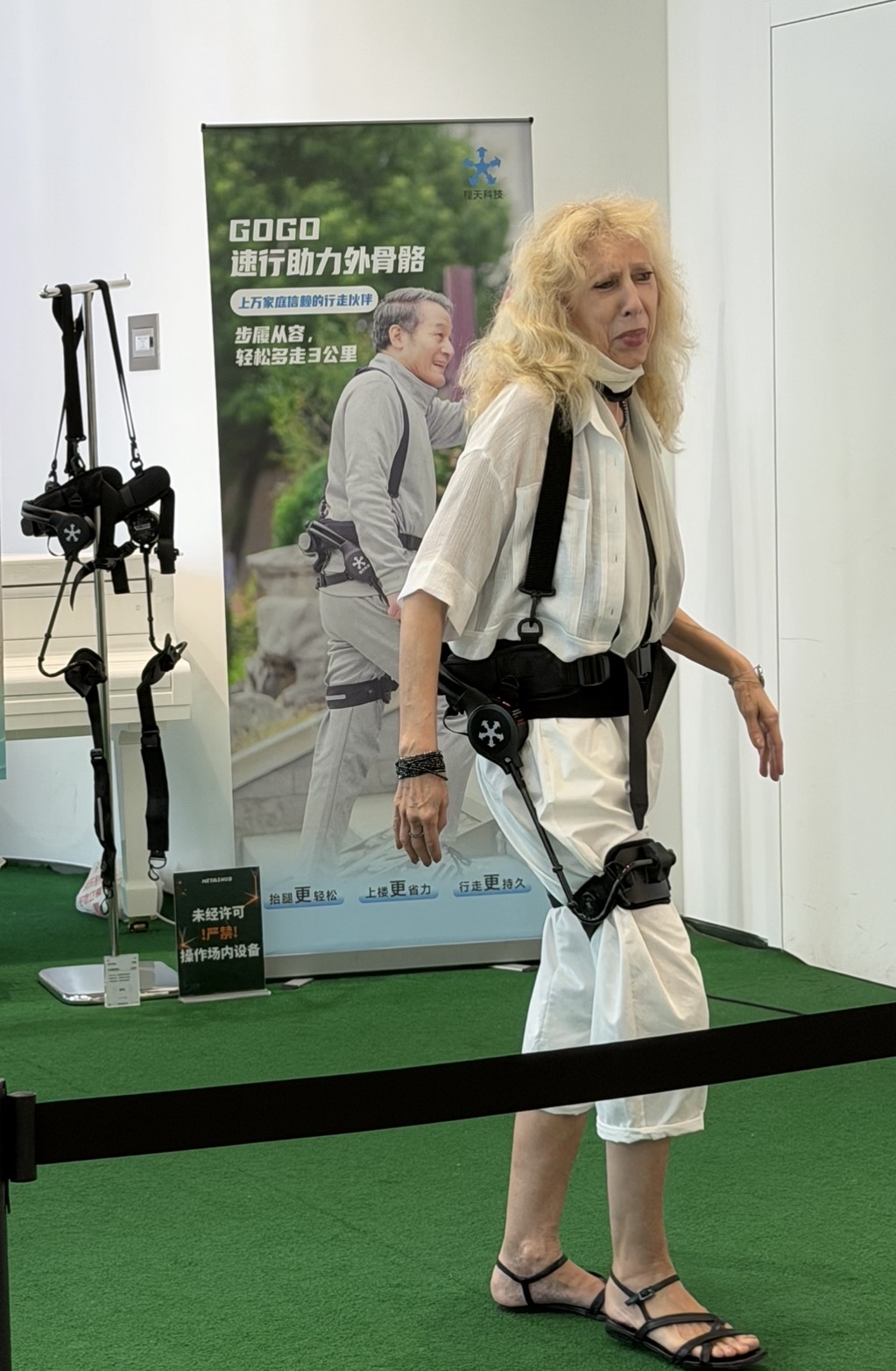
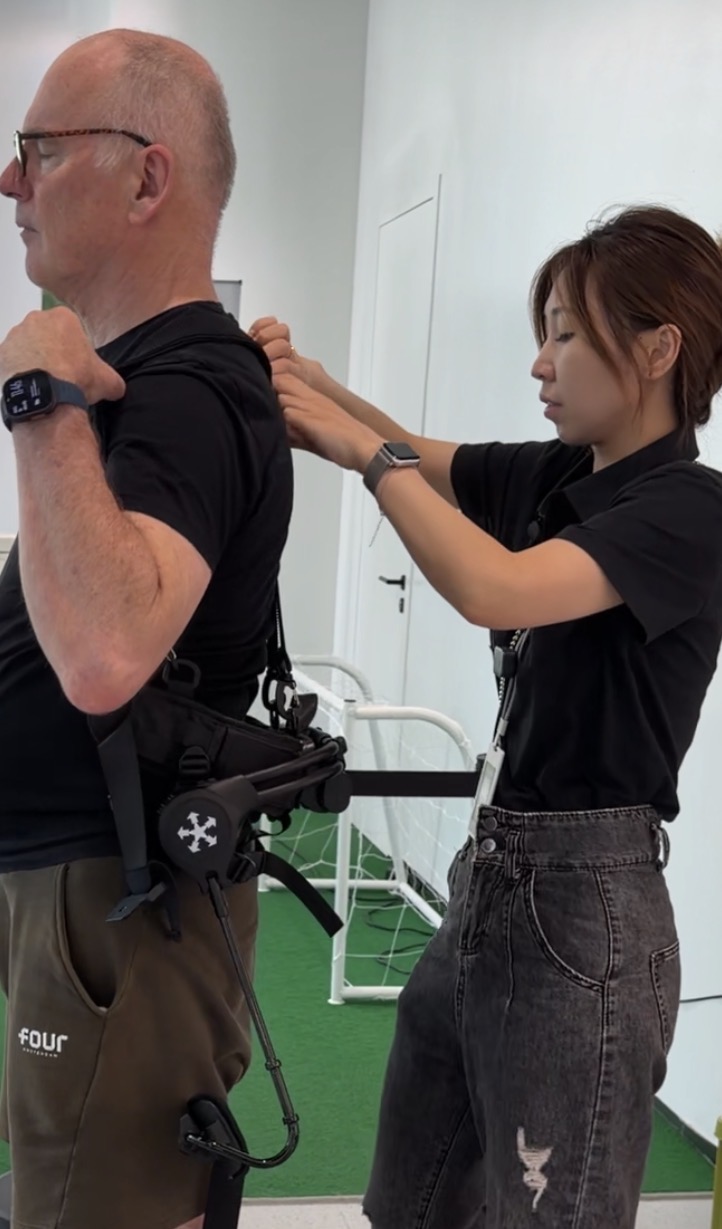
In Shanghai, Matrix Store is the world's first physical shop where you can buy only AI products. More than 100 brands and 500 products in 2,000 m². From AI health screening to robot dogs, smart guitars and glasses.
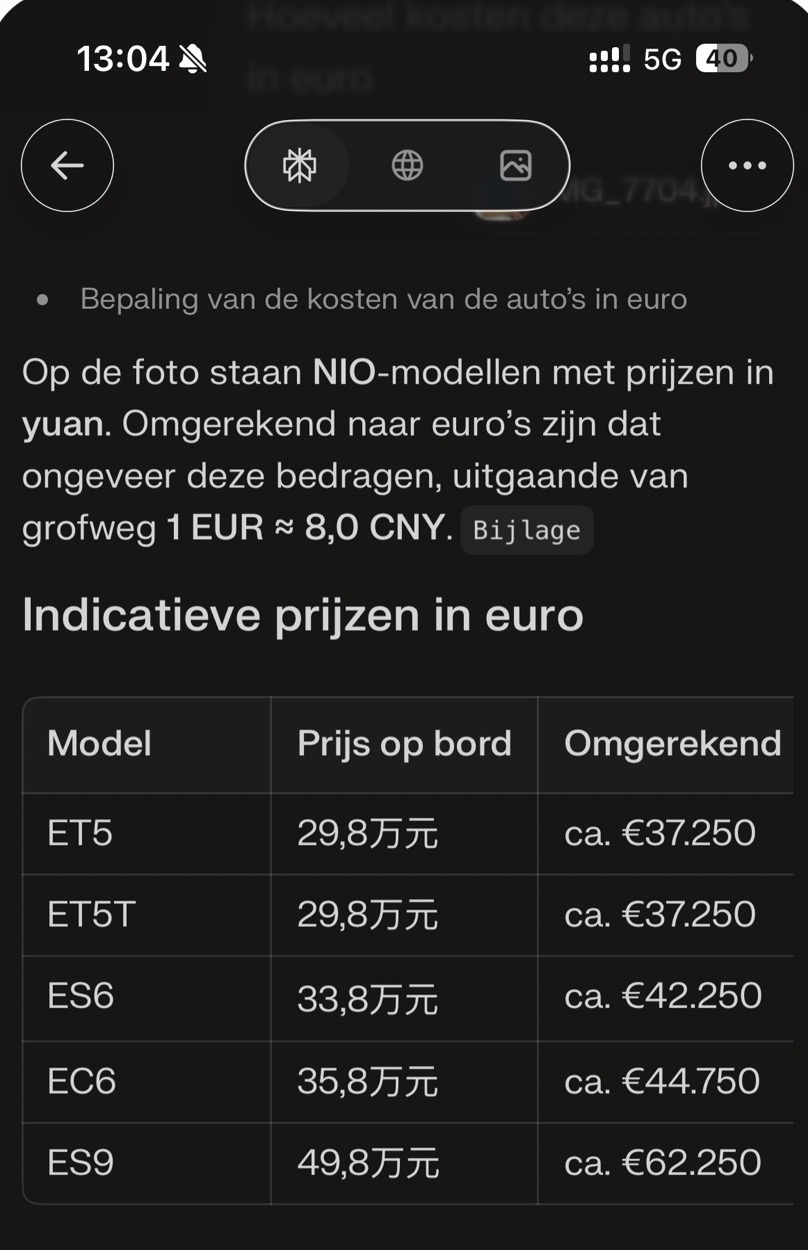
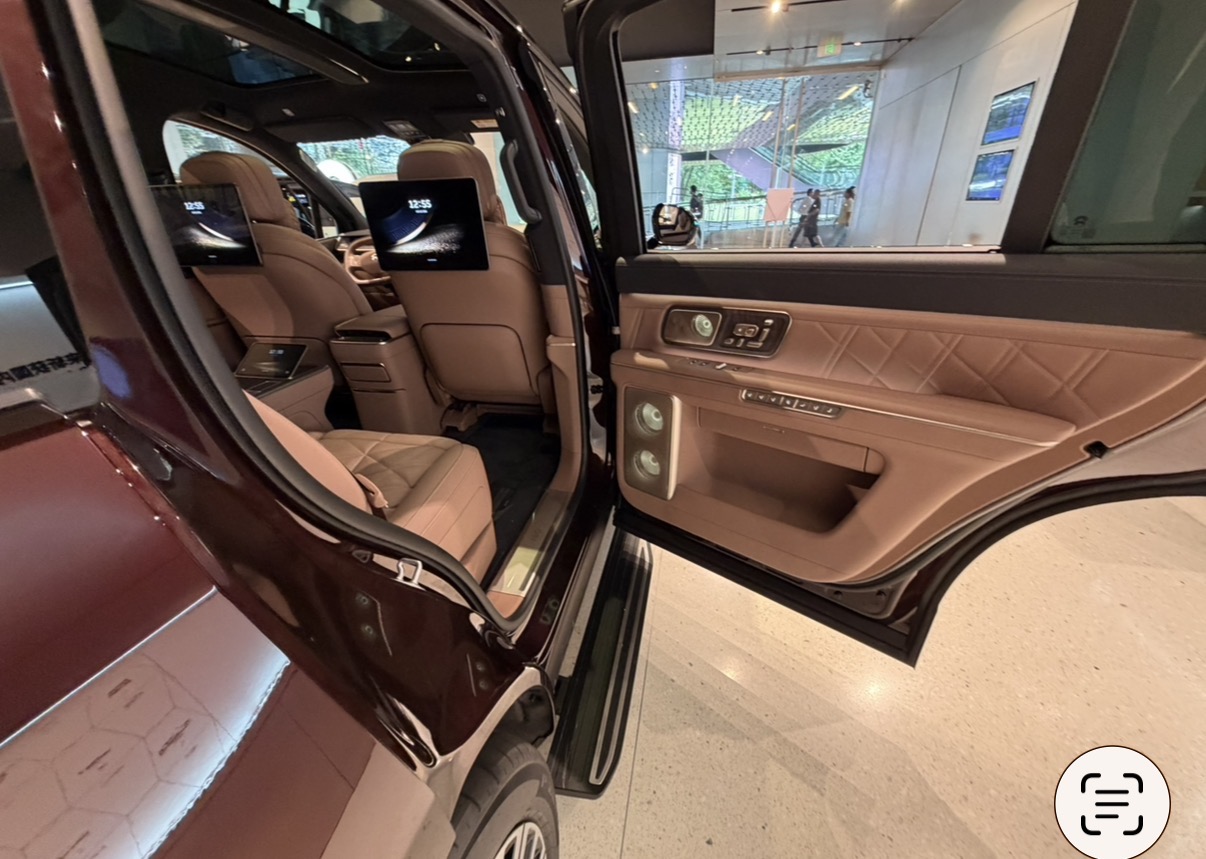
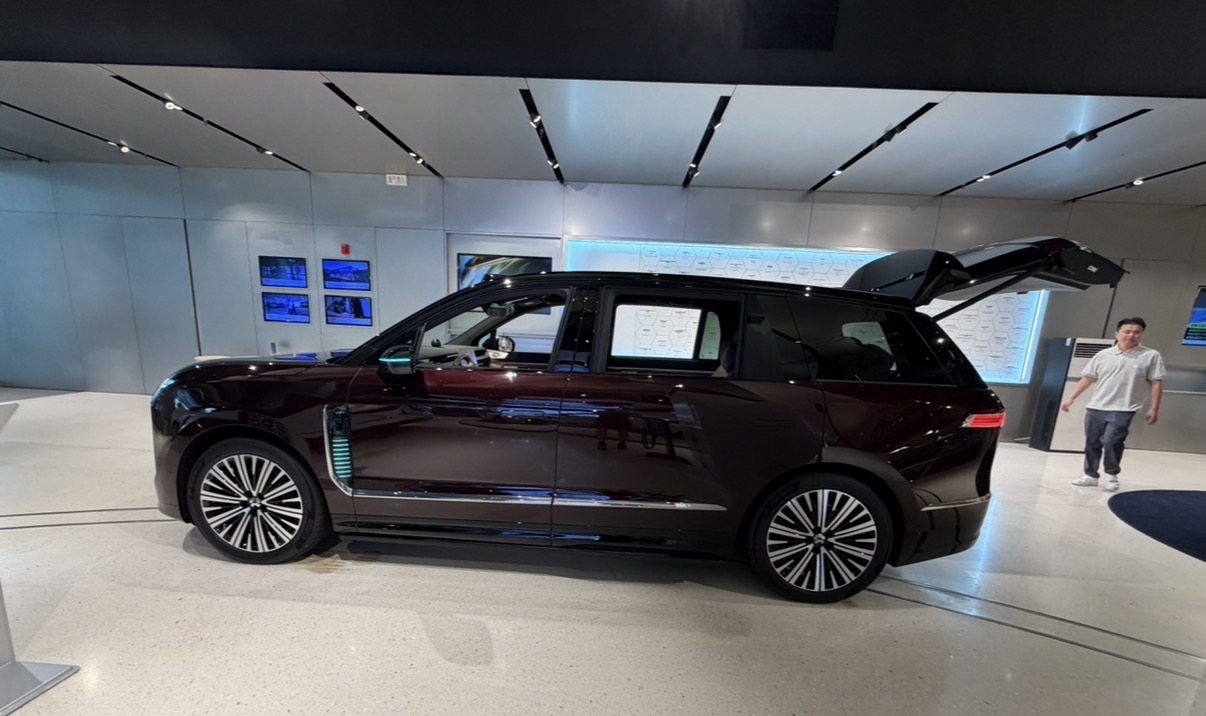
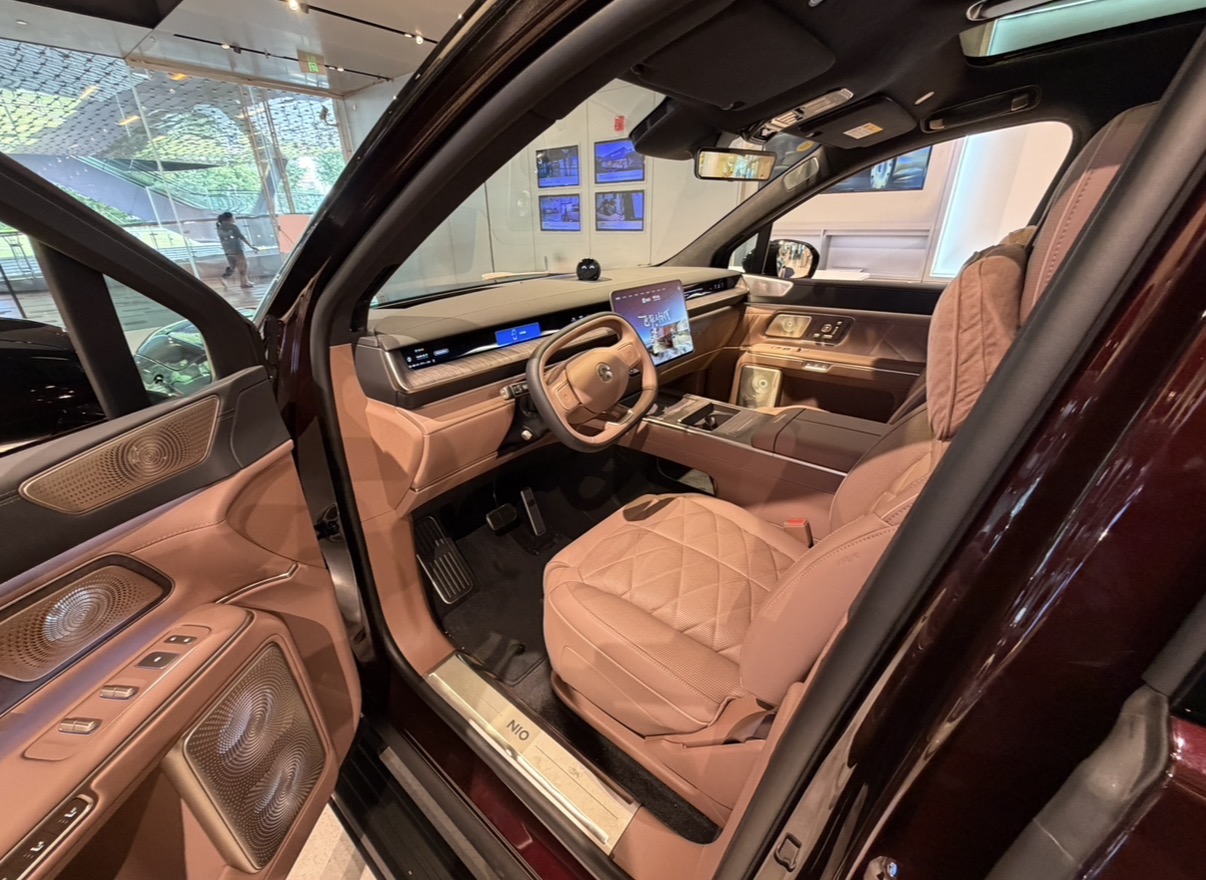
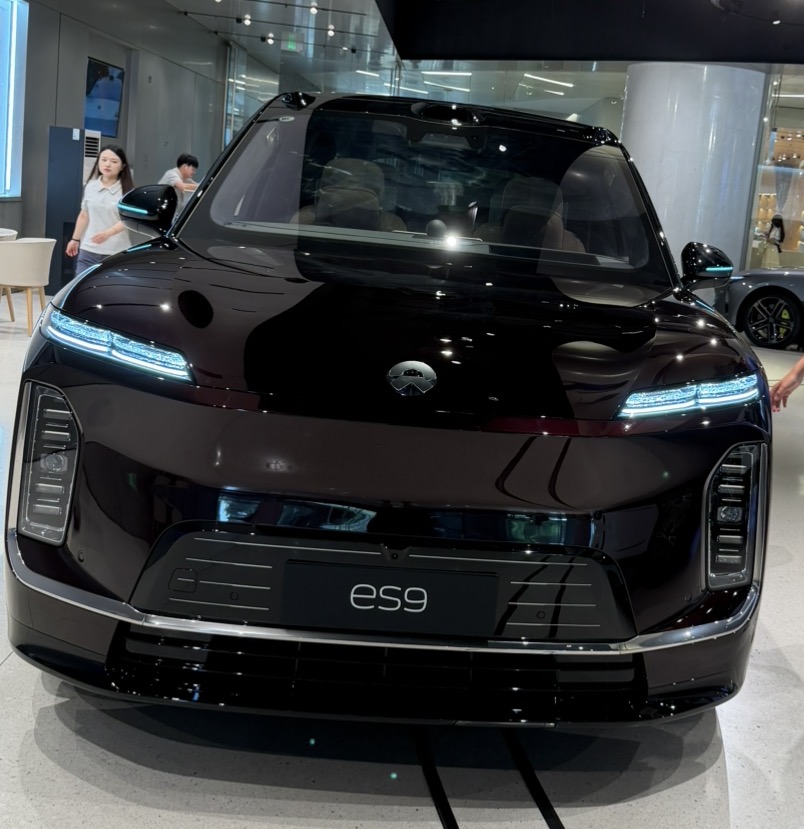
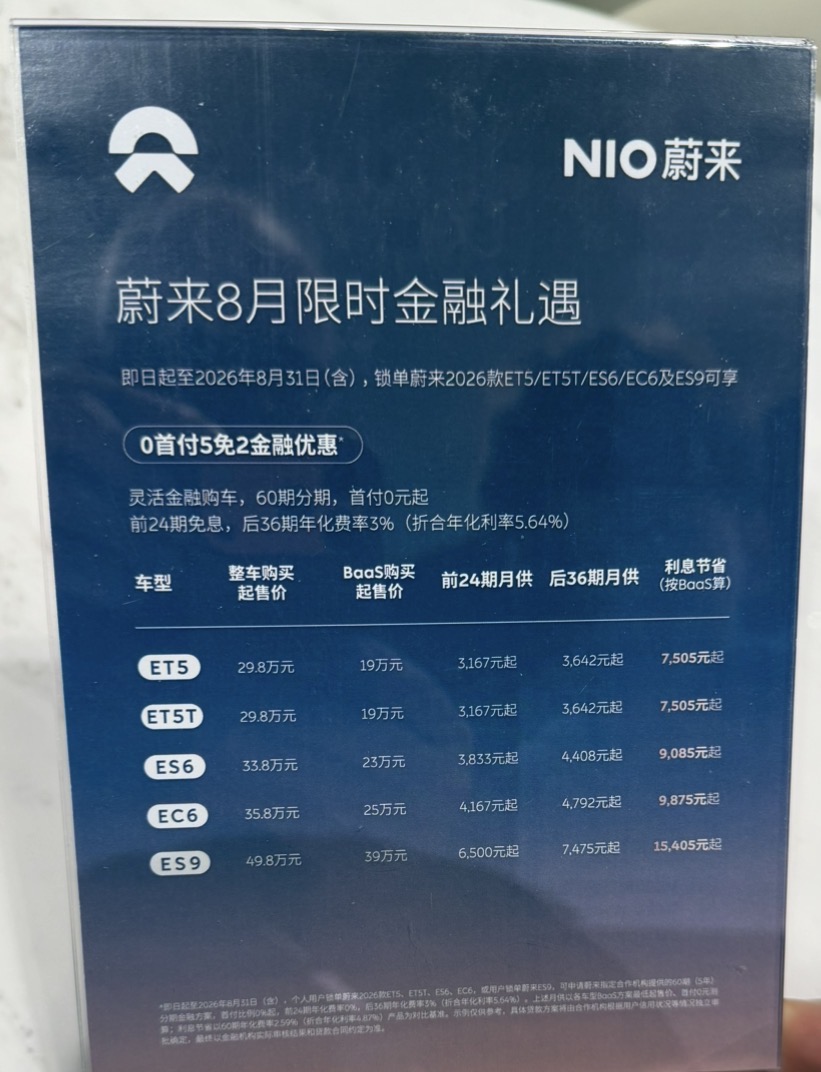
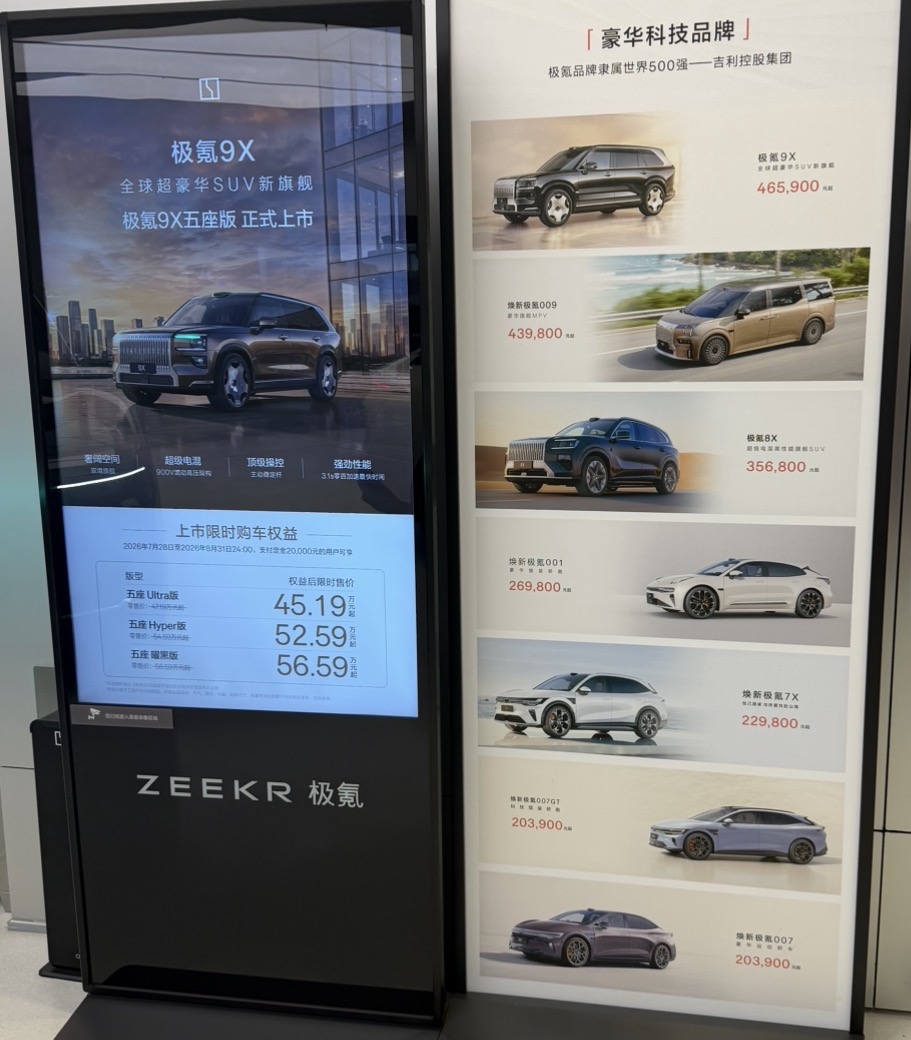
AI is also evident at the car dealership. The 10-year-old NIO brand impresses with a very luxurious vehicle range in the Audi/BMW class, with prices starting at €60,000 for its most luxurious model, the ES9 (the equivalent of the X7, but electric). Prices include 11% VAT, and the cars are exempt from vehicle tax because they are electric. I now understand why the German car industry is concerned.
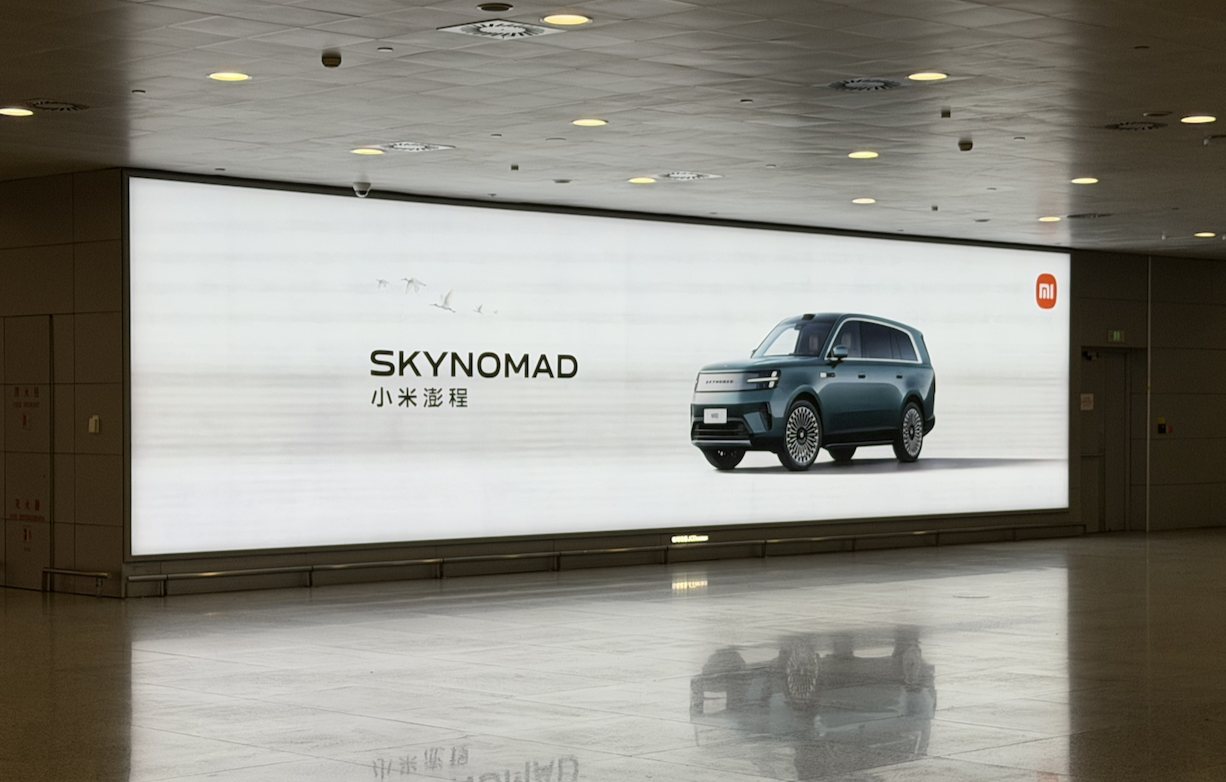
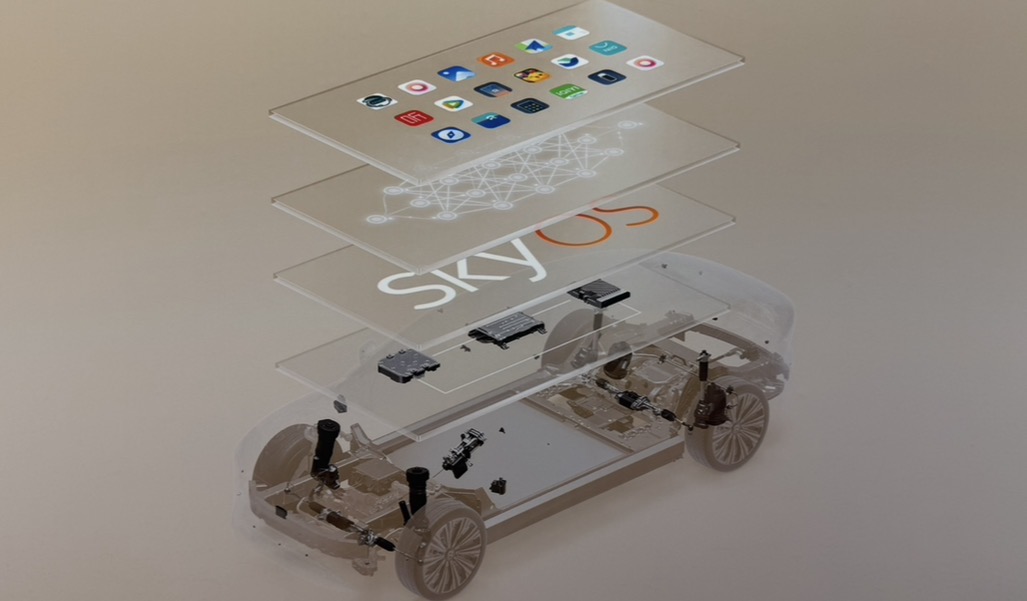
In my classes at TIO (The university of applied sciences in Amsterdam), I tell my students that the Chinese 'make computers on wheels' but cannot yet match German cars. I now have to correct that. The NIO ES9, with AI and the hydraulic SkyRide system, is a car with design and character. The hydraulic system uses AI sensors and suspension technology acquired from Bose. It has been in production since May. China’s EV ecosystem is clearly beginning to bear fruit.
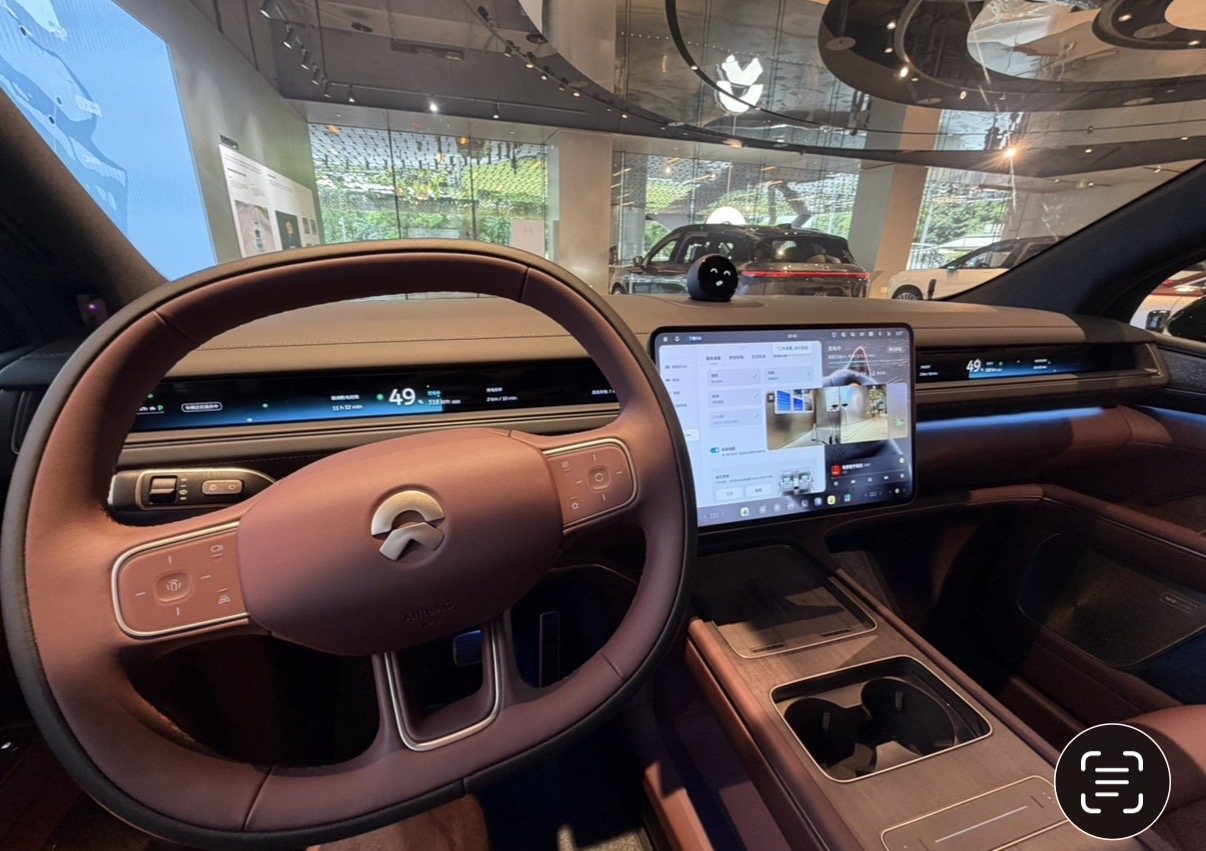
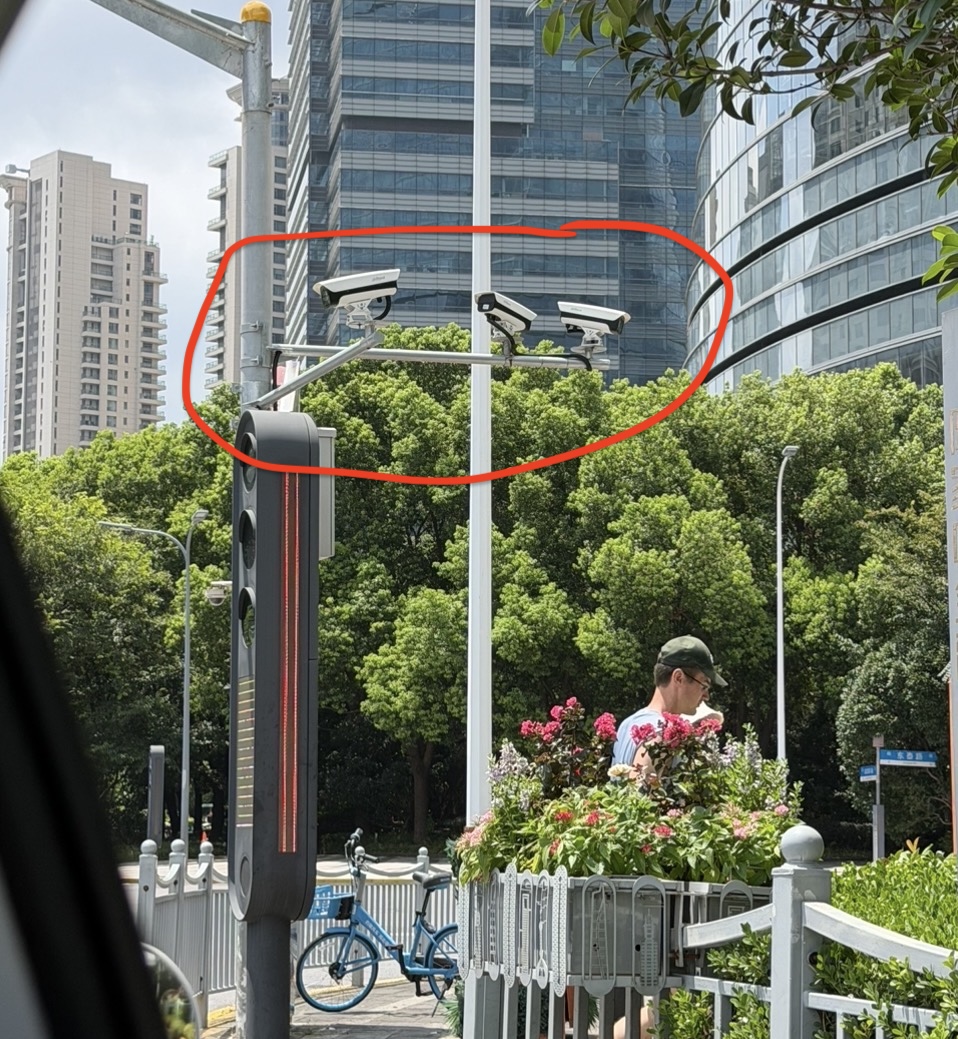
The NIO models also have an in-car AI assistant for voice, controls and context, as well as an AI-powered driver-assistance system for navigation-guided driving. The sensor suite for detecting the surroundings of the car also worked impressively well.
Unfortunately, I could not try Pony.ai’s self-driving robotaxi in Jinqiao. You could only book one with a local +86 phone number. Even Alipay reached its limit here. I did see autonomous buses driving around, but I was not yet able to use one. A reason to return this autumn: in the world of AI, the clock runs in dog years, seven times as fast, especially with China’s speed to scale strategy.
Appendix: images from the study trip
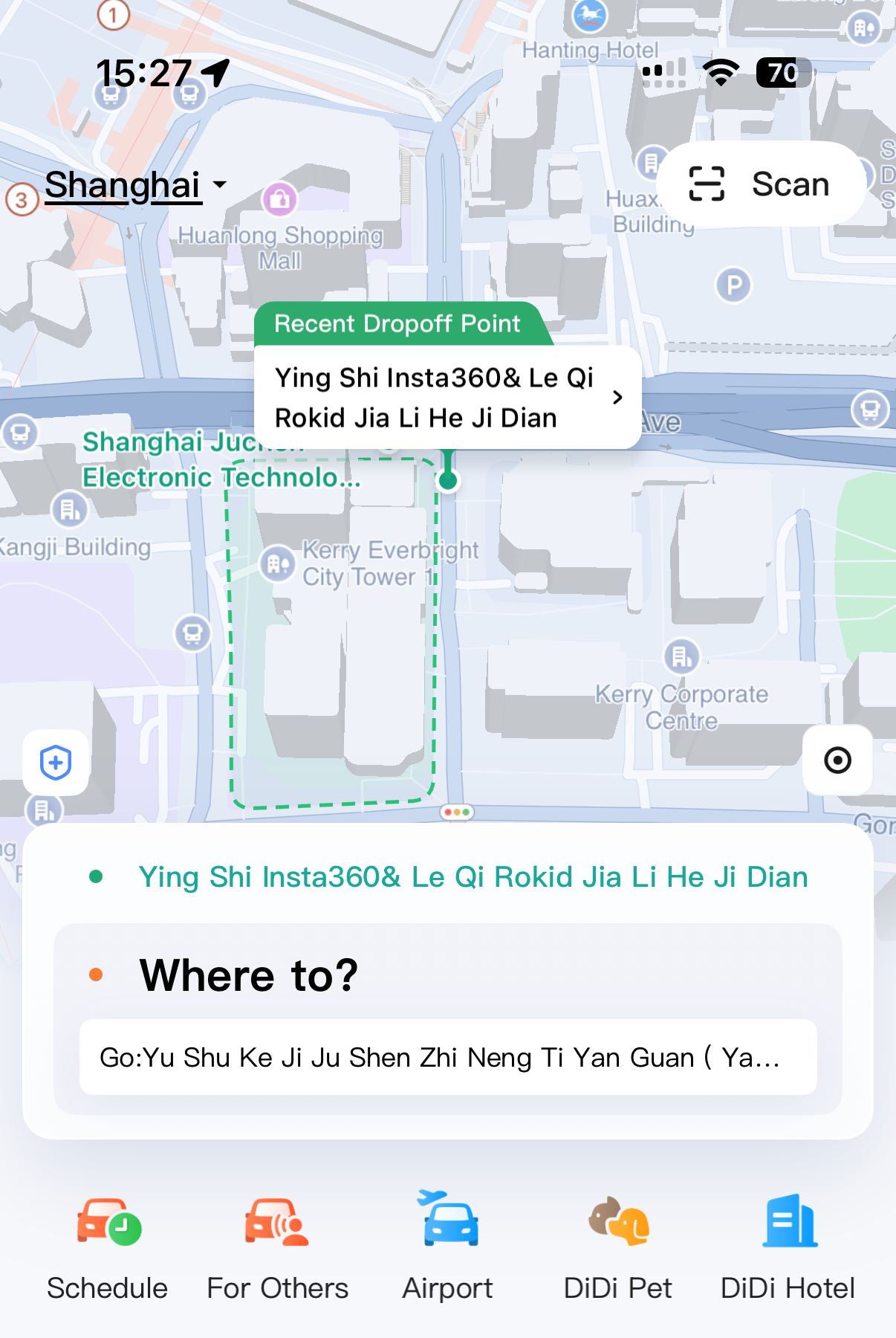
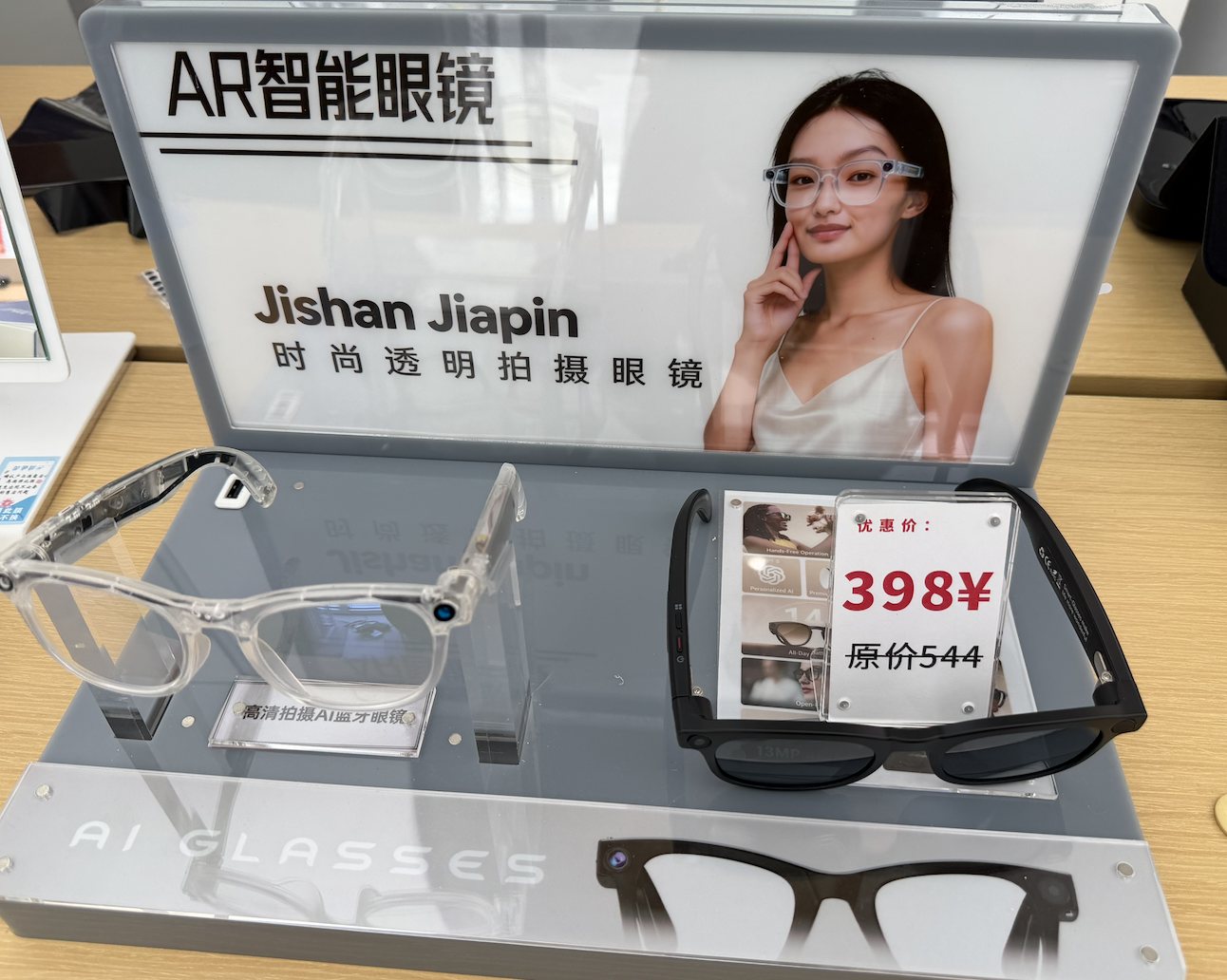
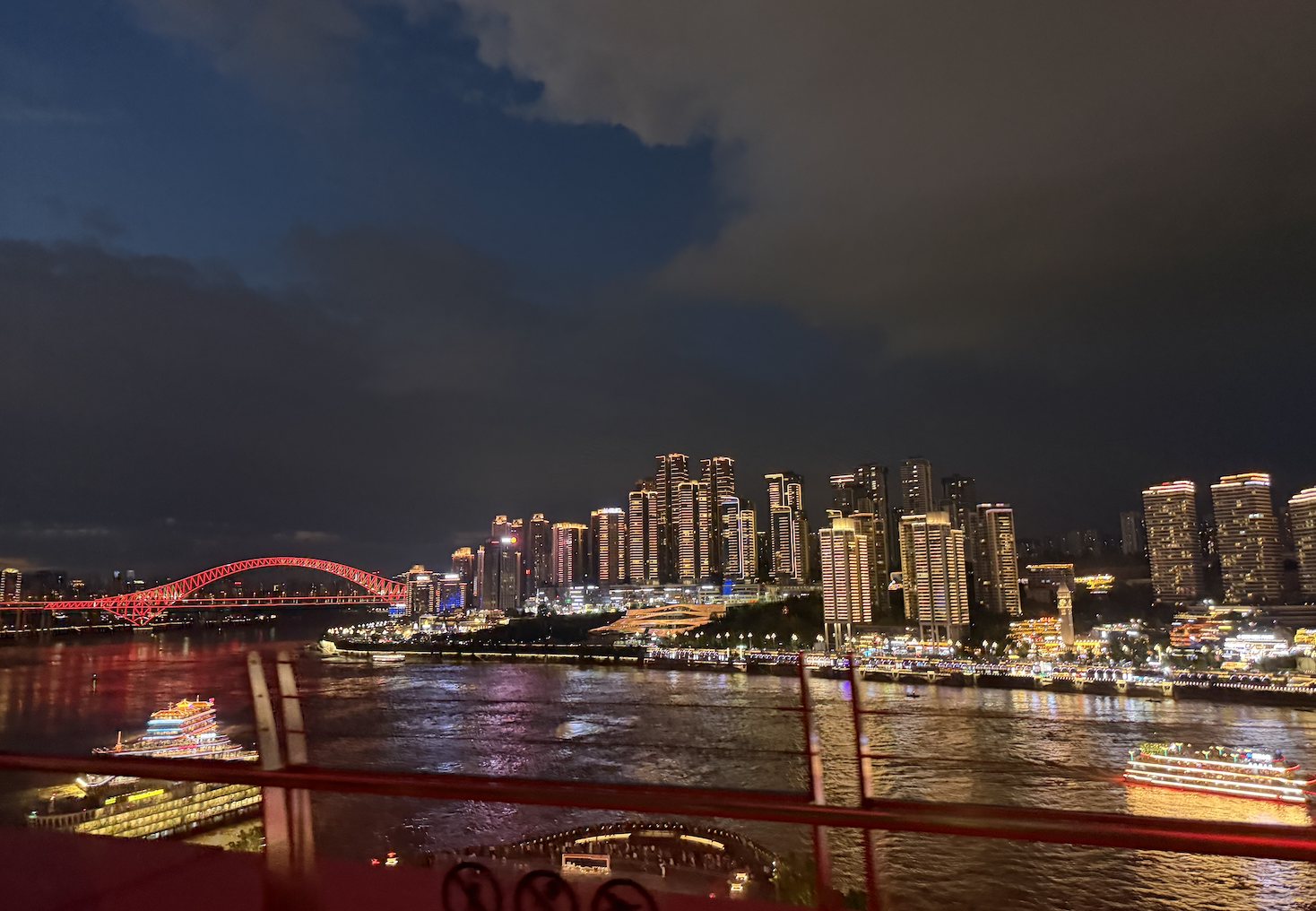
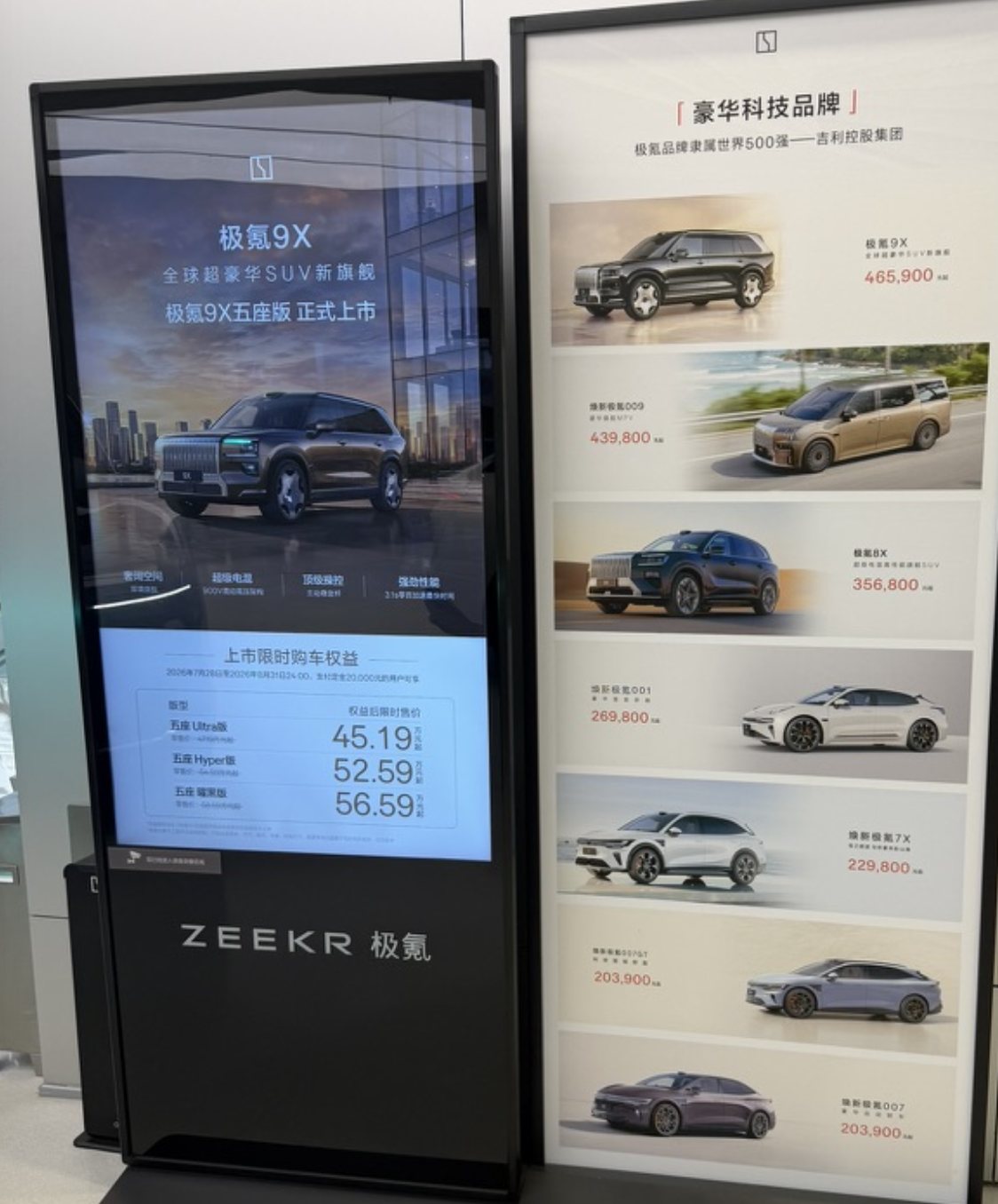
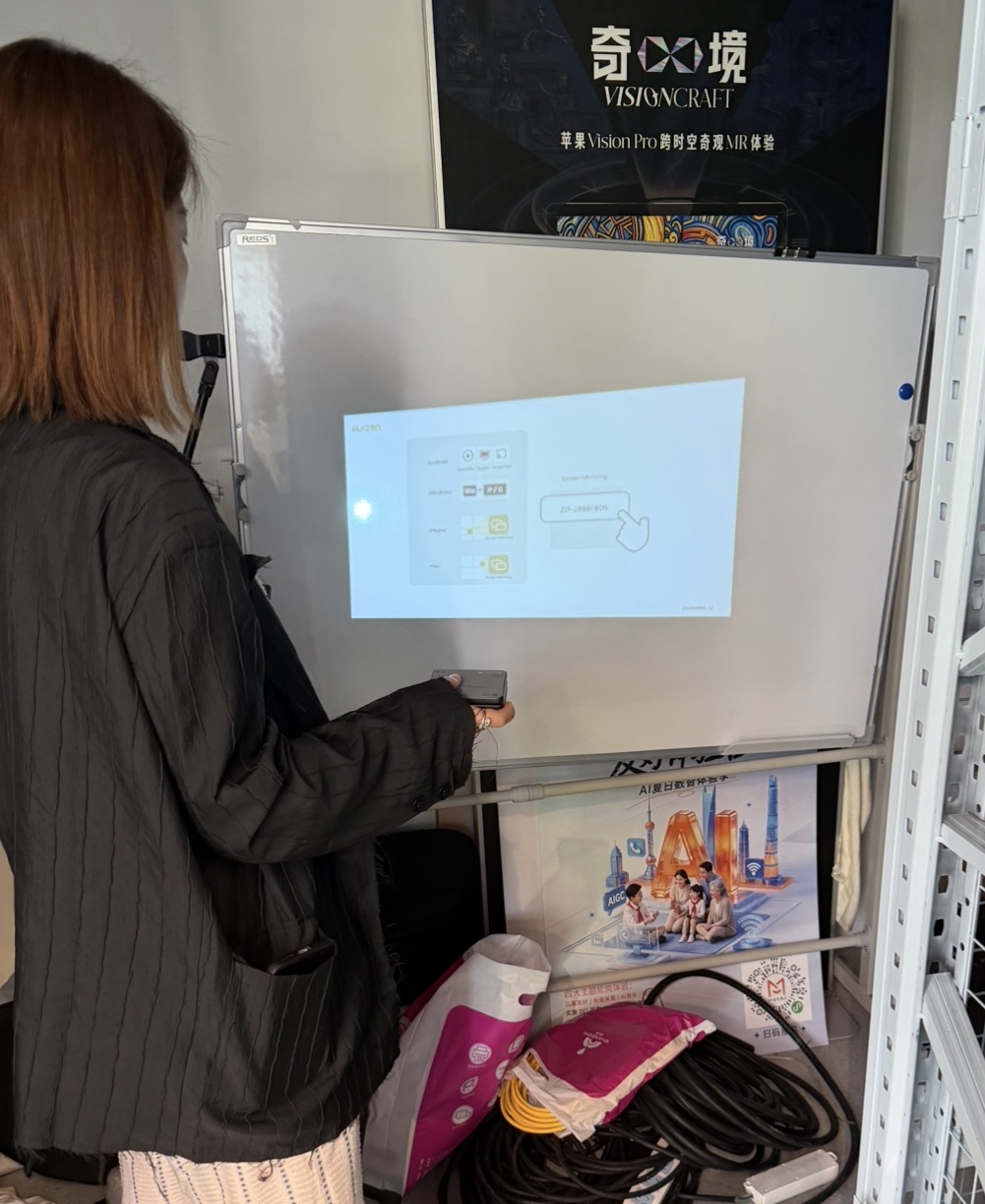
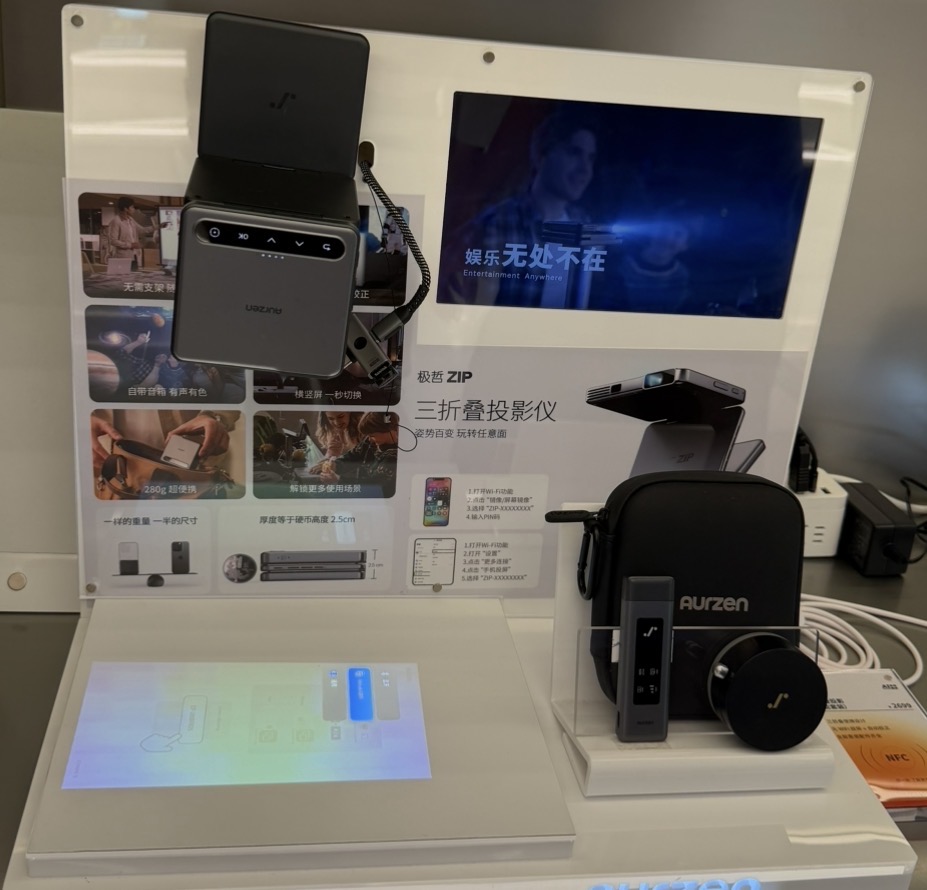
AI products and demonstrations
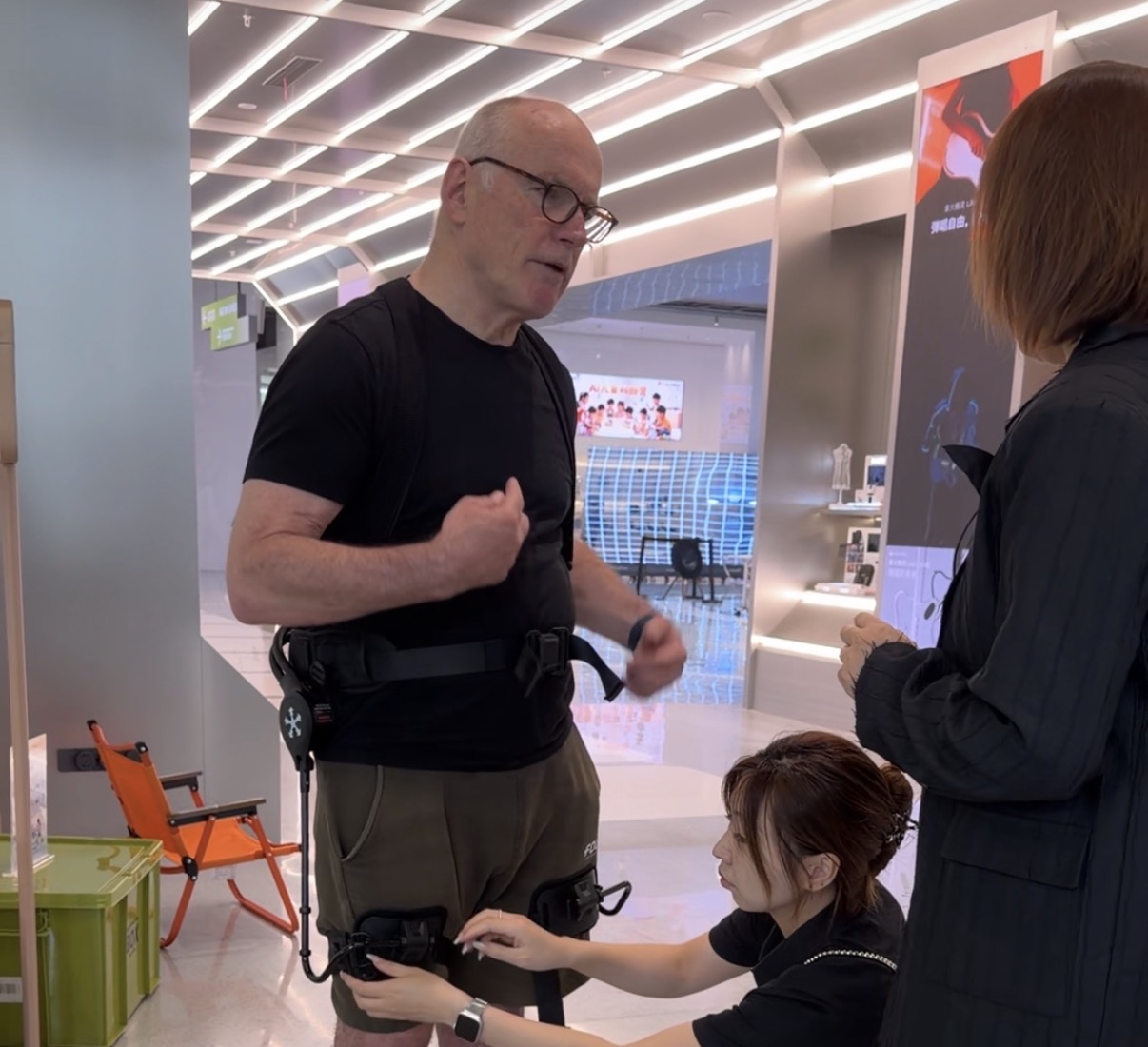
Mobility, sensors and electric cars
Locations and additional information